How to use QR codes in print marketing for flyers, posters, and packaging
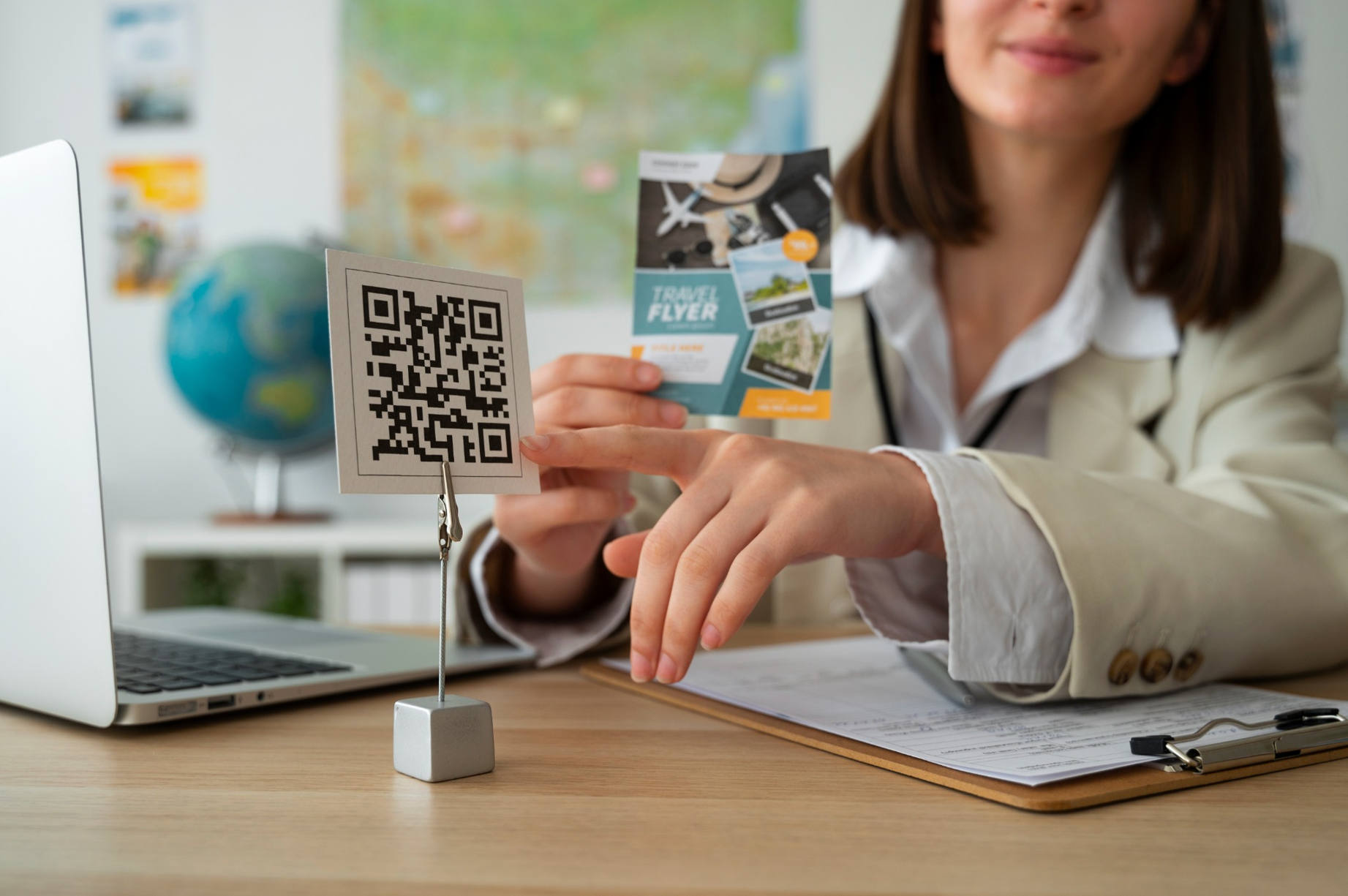
Print is not dead. It just needs a bridge to digital. QR codes are that bridge. When used right, they turn static materials into interactive experiences that drive traffic, leads, and conversions.
This guide shows exactly how to use QR codes in print marketing, with real use cases, placement strategies, and mistakes to avoid.
Print is not dead. It is just disconnected
Most print campaigns fail quietly. Not because the design is bad. Not because the offer is weak. But because there is no bridge between attention and action.
A flyer gets glanced at. A poster gets noticed. Packaging gets opened. And then nothing happens.
QR codes fix that gap.
They turn passive exposure into immediate action. Scan, land, convert. No memory required, no friction added.
If you use them right, print stops being a branding exercise and starts becoming a performance channel.
What QR codes actually change in print marketing
At a surface level, QR codes look like a convenience feature. In reality, they reshape how print works. They remove the delay between interest and intent.
Instead of asking someone to remember your brand or search later, you give them a direct path in the exact moment they care. That shift is small but powerful.
“Print creates awareness. QR codes capture intent.”
That is the real role they play. Before choosing how to use them, it helps to understand the different formats available. This guide on types of QR codes breaks down what each one does and when to use it.
Using QR codes on flyers: make the moment count
Flyers live fast and die faster. You have seconds to justify their existence. Most brands waste that moment by linking to a homepage. That is a mistake.
A flyer QR code should feel like a shortcut to something valuable. A clear reward, not a vague next step. Imagine a local gym handing out flyers. Instead of “Visit our website,” the QR code opens a one-page signup for a free trial. The difference is not design. It is intent.
When using QR codes on flyers, focus on:
a single outcome
a focused landing page
a clear reason to scan
Anything else creates hesitation.
Posters: where curiosity meets action
Posters operate differently. They are seen in motion. People do not stop unless something pulls them in. This is where QR codes can either shine or completely fail.
Most posters include a QR code as an afterthought. Small, tucked away, with no context. It becomes invisible. A good poster QR code does two things well. It signals value and removes doubt.
Instead of placing a code with no explanation, anchor it with intent. “Scan to watch the trailer.” “Scan to get early access.” Now the user knows what happens next.
“People do not scan QR codes. They scan outcomes.”
Placement matters, but clarity matters more. If the benefit is obvious, users will engage even in fast environments.
If you want to improve scan reliability, these QR code design tips can make a measurable difference.
Packaging: the most underrated growth channel
Packaging is where QR codes become powerful. Unlike flyers or posters, packaging has one advantage. The user already trusts you enough to buy. That changes everything. You are not asking for attention. You already have it. Now you are extending the relationship.
A skincare brand might use a QR code to show how to use the product correctly. A food brand might link to recipes. A retail brand might drive customers to leave a review. These are not gimmicks. They are retention strategies.
“Your product gets opened once. Your QR code can extend that moment into a relationship.”
This is where most brands underinvest. They treat packaging as static. It should be interactive.
The part most marketers get wrong
The biggest mistake is not design. It is what happens after the scan. Many campaigns send users to:
a generic homepage
a slow-loading page
a page that does not match the promise
That breaks trust instantly. A QR code is a commitment. If the experience does not match the expectation, users will not come back. The landing experience should feel like a continuation, not a redirection.
If your print says “Get 20 percent off,” the page should open with that exact offer. No searching, no confusion.
If things break, this guide on why your QR code is not working can help you diagnose the issue early.
Static vs dynamic QR codes: a decision that matters later
This is one of those choices that seems small until it becomes expensive. A static QR code locks your content forever. Once printed, it cannot be changed.
That might sound fine until:
your offer changes
your link breaks
your campaign evolves
Now your printed material is outdated.
Dynamic QR codes solve this by letting you update the destination without reprinting anything. They also give you data, which is critical if you care about performance.
If you are using QR codes in print marketing, dynamic is not optional. It is the safer long-term decision.
Where to place QR codes for better results
Placement is often treated as a design decision. It is actually a behavioral one. People scan when it feels easy and intentional. A QR code placed in a corner competes with everything else. A QR code placed near a strong CTA becomes part of the action.
There is no universal rule, but there is a pattern:
closer to the message performs better
surrounded by space improves visibility
aligned with the CTA increases scans
Small shifts here can change performance more than design tweaks.
Measuring what actually works
One of the biggest advantages of QR codes is that they make print measurable. Without them, you are guessing. With them, you can see:
how many people scanned
when they scanned
where engagement is happening
This turns print into something you can optimize.
If you want to go deeper into this, learn how to track QR code scans and use that data to improve campaigns over time.
A simple way to think about it
Do not start with the QR code. Start with the action.
What should happen after someone scans?
If the answer is unclear, the QR code will not work.
If the answer is obvious and valuable, the QR code becomes a natural extension of the experience.
Final thoughts
QR codes are not a trend in print marketing. They are an upgrade. They turn attention into action. They make offline measurable. They extend moments that would otherwise end. But they only work when used with intention.
“Print gets you noticed. QR codes get you results.”
Create QR codes that actually perform
If you want to create, edit, and track QR codes for flyers, posters, and packaging, use a tool that gives you control after printing.
Start with the QR Code Generator and build campaigns that do more than just look good.
Make your print work harder.