How to track QR code scans (QR code analytics explained)
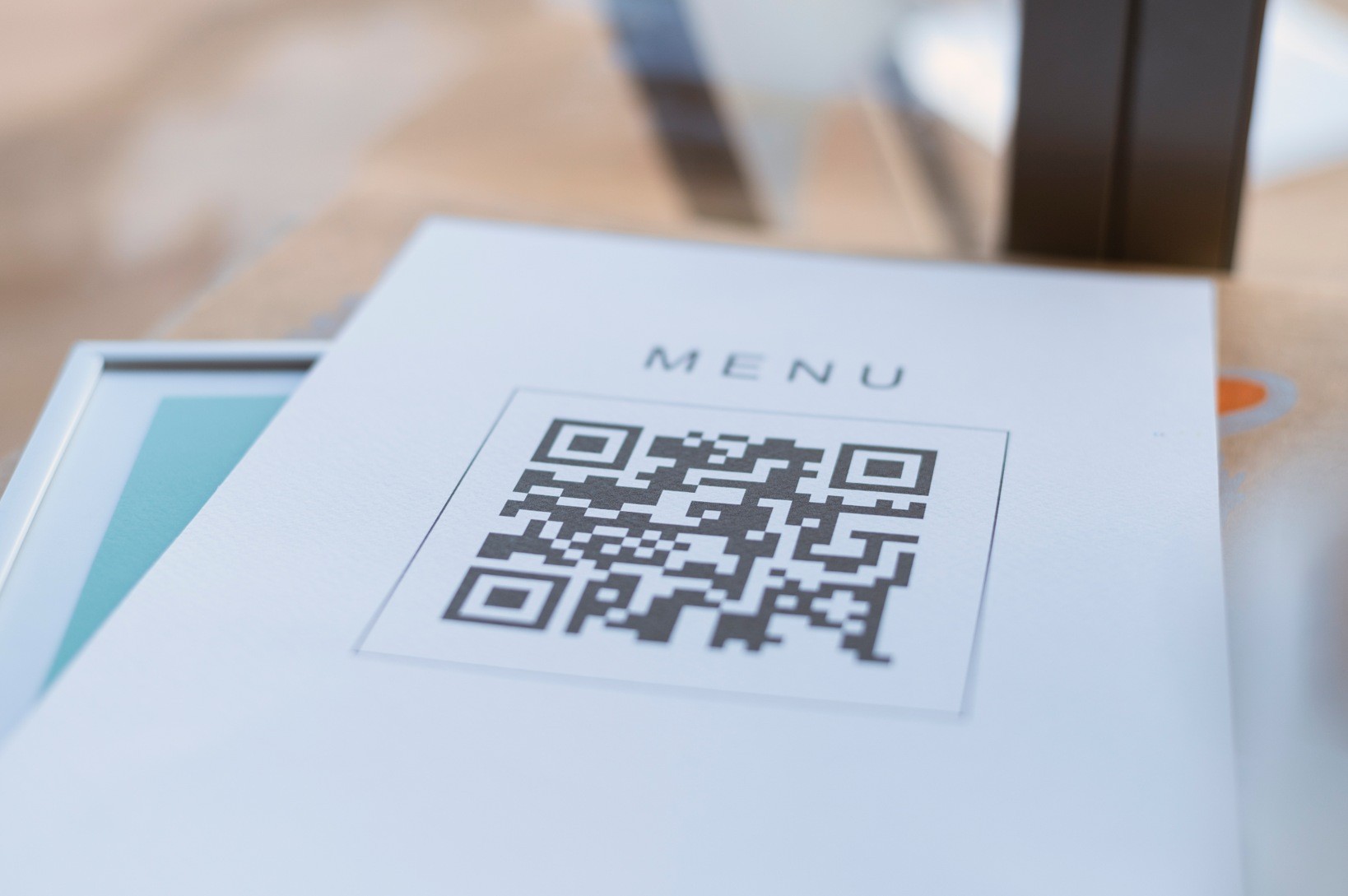
QR codes are widely used in marketing, packaging, events, and customer engagement campaigns. But simply placing a QR code on a poster or product label is not enough. Businesses often want to know whether people actually scan the code and what happens after the scan.
QR code tracking helps answer these questions. By analyzing scan activity, organizations can measure engagement, understand user behavior, and improve campaign performance.
This guide explains how QR code scan tracking works, what metrics can be measured, and how businesses use this data to optimize their QR campaigns.
What QR code scan tracking means
QR code scan tracking refers to collecting data each time a user scans a QR code. The information helps businesses understand how users interact with physical marketing materials and offline touchpoints. When a QR code supports tracking, the scan event can reveal insights such as:
number of scans
approximate location of the scan
device type used
time of interaction
These insights help organizations measure how effective their campaigns are. Because QR codes function by encoding digital data into a scannable pattern, the information stored inside the code determines how tracking is handled. Understanding how QR codes encode and deliver digital information explains why certain QR code formats allow analytics while others do not.
Why come QR codes can be tracked
Not all QR codes support analytics. The ability to track scans depends on how the QR code is generated.
Static QR codes store the final destination directly inside the pattern. When scanned, the device immediately opens the embedded link. Since the action happens instantly, there is no intermediate step to record scan data.
Dynamic QR codes work differently. They first route the scan through a redirect layer before sending the user to the final destination. That intermediate step allows scan activity to be logged.
Because of this difference, organizations that want measurable insights often rely on QR codes designed with flexible redirect systems. This is why businesses evaluating whether to use static or dynamic QR code formats often consider analytics capabilities before launching campaigns.
Key metrics businesses track
Organizations using QR codes in campaigns often monitor several important performance indicators.
Scan volume
The total number of scans shows how many times users interacted with a QR code. High scan counts typically indicate strong visibility and interest.
Time of interaction
Scan timestamps help businesses understand when engagement happens. For example, event organizers may notice peak scan activity shortly before scheduled sessions.
Device type
Different devices can produce different scanning behaviors. Understanding which devices are used helps optimize campaigns for mobile experiences.
Geographic patterns
Scan data sometimes reveals regional engagement patterns. Businesses distributing marketing materials across different locations can use this information to identify where campaigns perform best.
Why QR code analytics matter for marketing
QR codes are frequently used to connect offline materials with digital content. Posters, brochures, packaging, and event signage can all direct users to online pages. When campaigns include QR codes, analytics provide evidence of how effective those materials are.
Marketing teams often analyze QR engagement when evaluating how well QR codes support advertising and promotional campaigns across physical channels. Tracking helps answer important questions:
Which marketing materials attract the most scans?
Which locations produce the highest engagement?
When do users interact with the code?
These insights help teams refine their marketing strategy.
Common use cases for QR scan tracking
Several industries rely on QR code analytics to measure customer interaction.
Events and conferences
Event organizers track QR scans to monitor ticket access, check-in activity, and attendee engagement with schedules or resources.
Digital invitations and guest access systems often rely on QR codes that streamline entry and participation during events.
Retail and product packaging
Retailers sometimes place QR codes on product packaging to connect customers with additional information, tutorials, or promotions. By tracking scan behavior, brands can understand how frequently customers interact with product packaging after purchase.
Retail businesses that use barcode and QR technology for inventory and product identification often combine scanning systems with digital engagement strategies.
Education and learning environments
Schools and educators frequently place QR codes in learning materials to direct students to digital resources, lesson supplements, or multimedia content.
Monitoring engagement helps educators understand which resources students access most often.
Improving QR code campaign performance
Tracking scan data is only valuable if businesses use the insights to improve results. Several design and placement strategies influence scan performance.
Visibility
QR codes should be clearly visible and easy to access. Poor placement often results in low engagement.
Clear call-to-action
Users are more likely to scan when instructions explain what they will receive after scanning.
Reliable design
Poorly designed QR codes sometimes fail to scan. When this happens, engagement drops immediately.
Many scanning failures occur because of contrast issues, incorrect sizing, or placement errors that interfere with scanner detection.
These factors are among the most common technical reasons QR codes fail to scan reliably.
Testing QR codes before launch
Before deploying QR codes in campaigns, organizations should test them across multiple conditions. Testing should include:
different smartphone cameras
various lighting environments
printed and digital formats
Early testing helps confirm that the code scans quickly and directs users to the correct destination. Testing also prevents situations where thousands of printed materials contain QR codes that users cannot scan.
The role of QR scanning tools
Reliable scanning technology also influences how easily users interact with QR codes. Many people rely on smartphone cameras to scan QR codes, while others use dedicated scanning applications that provide additional clarity when detecting links or decoding patterns.
For users who interact with QR codes frequently in daily workflows, having a consistent scanning tool helps ensure that codes are detected quickly and that the destination is clearly identified before opening.
Final thoughts
QR code analytics provide valuable insights into how people interact with physical and digital experiences. By tracking scan activity, businesses can measure engagement, identify successful campaigns, and refine how QR codes are used across marketing, events, and product packaging.
Organizations that combine reliable QR design with meaningful analytics gain a clearer understanding of how their audiences engage with offline materials. When implemented thoughtfully, QR tracking transforms simple scan interactions into measurable digital engagement.