How businesses use dynamic QR Codes to increase customer engagement
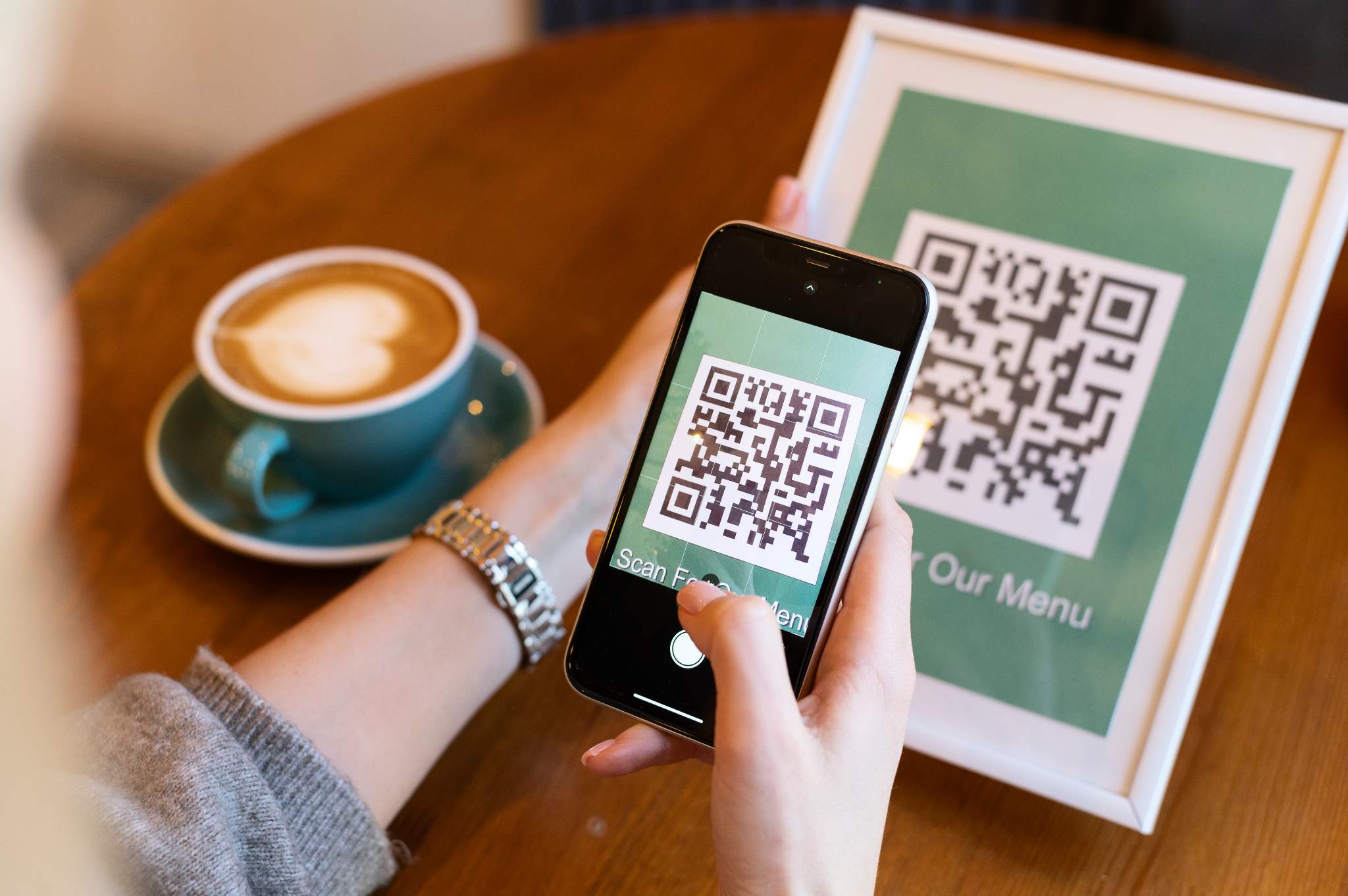
Dynamic QR codes allow businesses to update destinations, track scans, and improve customer engagement without changing the printed code itself. Unlike static QR codes, dynamic QR systems provide analytics, flexibility, and better long-term marketing performance. Businesses use dynamic QR codes across packaging, retail, restaurants, events, and customer loyalty campaigns to create interactive experiences and optimize marketing results in real time.
As QR code adoption continues growing across mobile payments, digital menus, contactless experiences, and omnichannel marketing, dynamic QR codes have become one of the most valuable tools for modern customer engagement.
What Is a Dynamic QR Code?
A dynamic QR code is a QR code that redirects users through a short URL that can be edited after the code is created and printed.
Unlike static QR codes, which permanently store fixed information, dynamic QR codes allow businesses to:
change destination URLs
track scan analytics
update campaigns
monitor engagement
manage multiple marketing workflows
This flexibility makes dynamic QR codes ideal for businesses that regularly update promotions, product pages, events, or customer experiences.
Simple Definition
A dynamic QR code is an editable QR code that allows businesses to change linked content and track scan performance without replacing the original printed code.
This is one of the biggest reasons businesses prefer dynamic QR systems for long-term marketing use.
Static vs Dynamic QR Codes
Businesses often compare static and dynamic QR codes before launching campaigns. Here is the key difference.
Feature | Static QR Codes | Dynamic QR Codes |
|---|---|---|
Editable after printing | No | Yes |
Scan tracking | No | Yes |
Analytics dashboard | No | Yes |
URL updates | Not possible | Possible |
Campaign optimization | Limited | Advanced |
Best for | Permanent information | Marketing and engagement |
Reprinting required after edits | Yes | No |
Supports retargeting workflows | No | Yes |
Static QR codes work well for simple permanent information, but dynamic QR codes provide significantly more flexibility for businesses managing active customer engagement campaigns.
How Businesses Use Dynamic QR Codes
Dynamic QR codes are now used across multiple industries to improve customer interaction, collect data, and optimize conversions.
Restaurants
Restaurants increasingly use dynamic QR codes for:
digital menus
seasonal promotions
loyalty programs
contactless ordering
customer feedback forms
A restaurant can update menu pricing, specials, or promotions without reprinting table QR codes. This is especially valuable for:
limited-time offers
holiday menus
happy hour campaigns
multilingual menus
Dynamic QR codes also help restaurants track which tables, locations, or promotions generate the most scans.
Retail Stores
Retail businesses use dynamic QR codes to connect physical products with digital experiences. Common retail use cases include:
product information
inventory updates
customer reviews
app downloads
loyalty rewards
personalized offers
Retailers often place QR codes on:
shelves
packaging
receipts
in-store displays
window signage
Dynamic QR analytics help businesses understand customer behavior by tracking scan locations, device types, and peak engagement times.
Events and Conferences
Event organizers use dynamic QR codes to simplify attendee experiences. Examples include:
ticket check-in
digital schedules
speaker information
networking pages
sponsor promotions
live updates
Because event details frequently change, dynamic QR codes allow organizers to update destinations instantly without replacing printed materials.
This reduces operational costs and improves attendee communication.
Real Estate
Real estate agents use dynamic QR codes on:
property signs
brochures
listing flyers
window displays
Potential buyers can instantly access:
virtual tours
updated pricing
floor plans
contact forms
appointment scheduling
Agents can update listing links after printing materials, making dynamic QR codes especially useful for changing inventory.
Product Packaging
Product packaging has become one of the fastest-growing QR code use cases. Brands use dynamic QR codes for:
product authentication
customer education
sustainability information
video tutorials
promotional campaigns
warranty registration
Because packaging often remains in circulation for months or years, editable QR destinations are critical for maintaining accurate information.
Gyms and Fitness Studios
Fitness businesses use dynamic QR codes to streamline customer onboarding and member engagement. Common examples include:
class schedules
membership registration
workout tutorials
trainer booking
equipment instructions
referral programs
Gyms also use QR codes to connect offline experiences with mobile apps and digital membership platforms.
Benefits of Dynamic QR Codes
Dynamic QR codes provide several advantages over traditional static QR systems.
Editable Links Without Reprinting
One of the biggest benefits is the ability to update links after printing. Businesses can modify:
landing pages
promotions
event information
product pages
contact details
without replacing the QR code itself.
This saves both time and printing costs.
Scan Tracking and Analytics
Dynamic QR codes provide valuable analytics data, including:
number of scans
scan location
device type
operating system
time of engagement
This helps businesses measure campaign performance more effectively.
Better Marketing Campaign Optimization
Businesses can use QR analytics to improve:
conversion rates
landing page performance
call-to-action placement
customer engagement timing
Marketing teams often use dynamic QR codes in A/B testing workflows to optimize campaigns in real time.
Improved Customer Experience
Dynamic QR systems help businesses deliver faster, more interactive mobile experiences. This reduces friction in customer journeys and encourages higher engagement rates.
Multi-Channel Marketing Flexibility
Dynamic QR codes work across:
print advertising
product packaging
retail displays
social media campaigns
direct mail
event marketing
This creates seamless offline-to-online customer experiences.
Also read: Best QR Code Scanner App for iPhone
Common QR Mistakes Businesses Make
Many businesses implement QR codes incorrectly, which reduces engagement and hurts campaign performance.
Here are the most common mistakes.
Using Static QR Codes for Marketing Campaigns
Businesses often print static QR codes for campaigns that later require updates. This creates unnecessary reprinting costs and operational delays.
Linking to Non-Mobile-Friendly Pages
QR scans primarily happen on smartphones. Landing pages should always be:
mobile optimized
fast loading
easy to navigate
designed for short attention spans
Poor QR Code Placement
QR codes placed too high, too small, or in low-visibility areas often receive very few scans. Businesses should prioritize:
eye-level placement
strong contrast
clear spacing
visible call-to-action text
Not Tracking Performance
Many businesses fail to monitor QR code engagement metrics. Without analytics, it becomes difficult to improve campaigns or understand customer behavior.
Overcomplicating the Destination Experience
QR destinations should lead users directly to relevant content. Too many redirects or unnecessary navigation steps reduce conversion rates significantly.
How to Create a Dynamic QR Code
Creating a dynamic QR code is relatively simple with modern QR platforms.
Step 1: Choose a QR Code Generator
Select a QR platform that supports:
dynamic QR functionality
analytics
editable links
scan tracking
campaign management
Step 2: Add Your Destination URL
Enter the webpage, app link, menu, form, or landing page you want users to access.
Step 3: Generate the Dynamic QR Code
The system creates a QR code connected to a short redirect URL. This allows future editing without changing the QR image itself.
Step 4: Customize the QR Design
Businesses often customize QR codes using:
brand colors
logos
frames
call-to-action labels
Custom QR branding can improve scan rates and customer trust.
Step 5: Test Before Printing
Always test QR codes across:
iPhone devices
Android devices
different lighting conditions
multiple scan apps
Testing helps prevent broken workflows after launch.
Step 6: Track and Optimize Performance
After deployment, businesses should regularly review scan analytics and update campaigns based on customer behavior.
Download QR Code Air from the App Store today and create smart QR codes to grow your business faster and connect with more customers!
Why Dynamic QR Codes Matter for Modern Marketing
Customer engagement increasingly happens across both physical and digital environments. Dynamic QR codes bridge this gap by turning offline touchpoints into measurable digital interactions.
Businesses that use dynamic QR workflows effectively can:
improve customer engagement
collect valuable analytics
reduce printing costs
optimize campaigns faster
create personalized mobile experiences
As QR adoption continues growing globally, dynamic QR infrastructure is becoming a core part of modern business marketing strategies.
Conclusion
Dynamic QR codes provide businesses with far more flexibility, analytics, and long-term marketing value than traditional static QR codes. From restaurants and retail stores to real estate agencies and fitness studios, businesses across industries use dynamic QR systems to improve customer engagement and create measurable digital experiences.
The ability to edit destinations, track scans, and optimize campaigns without reprinting materials makes dynamic QR codes one of the most practical tools for modern mobile marketing.
For businesses looking to create editable, trackable, and high-converting QR workflows, AirApps QR Code app and web application help simplify dynamic QR management for real-world business use cases.
FAQs
Do dynamic QR codes expire?
Some dynamic QR codes expire depending on the platform or subscription plan being used. Businesses should check whether their QR provider offers permanent dynamic QR functionality.
Are dynamic QR codes safe?
Yes. Dynamic QR codes are generally safe when created through trusted QR platforms. Businesses should always use secure HTTPS destinations and avoid suspicious redirects.
Can I edit a QR code after printing?
Yes. Dynamic QR codes allow businesses to change the linked destination without changing the printed QR code itself.
Can QR codes track scans?
Dynamic QR codes can track scans and provide analytics such as scan count, location, device type, and engagement timing.
What is the difference between static and dynamic QR codes?
Static QR codes store fixed information permanently, while dynamic QR codes use editable redirect links that can be updated after printing.
Are dynamic QR codes better for marketing?
Yes. Dynamic QR codes are better for marketing because they support analytics, editable destinations, campaign optimization, and customer engagement tracking.
Can businesses use dynamic QR codes on product packaging?
Yes. Many brands use dynamic QR codes on packaging for product information, promotions, tutorials, authenticity verification, and customer engagement campaigns.
Do dynamic QR codes require internet access?
Yes. Most dynamic QR codes require internet access because they redirect users through a live URL before opening the destination page.