How QR codes are used in digital payments
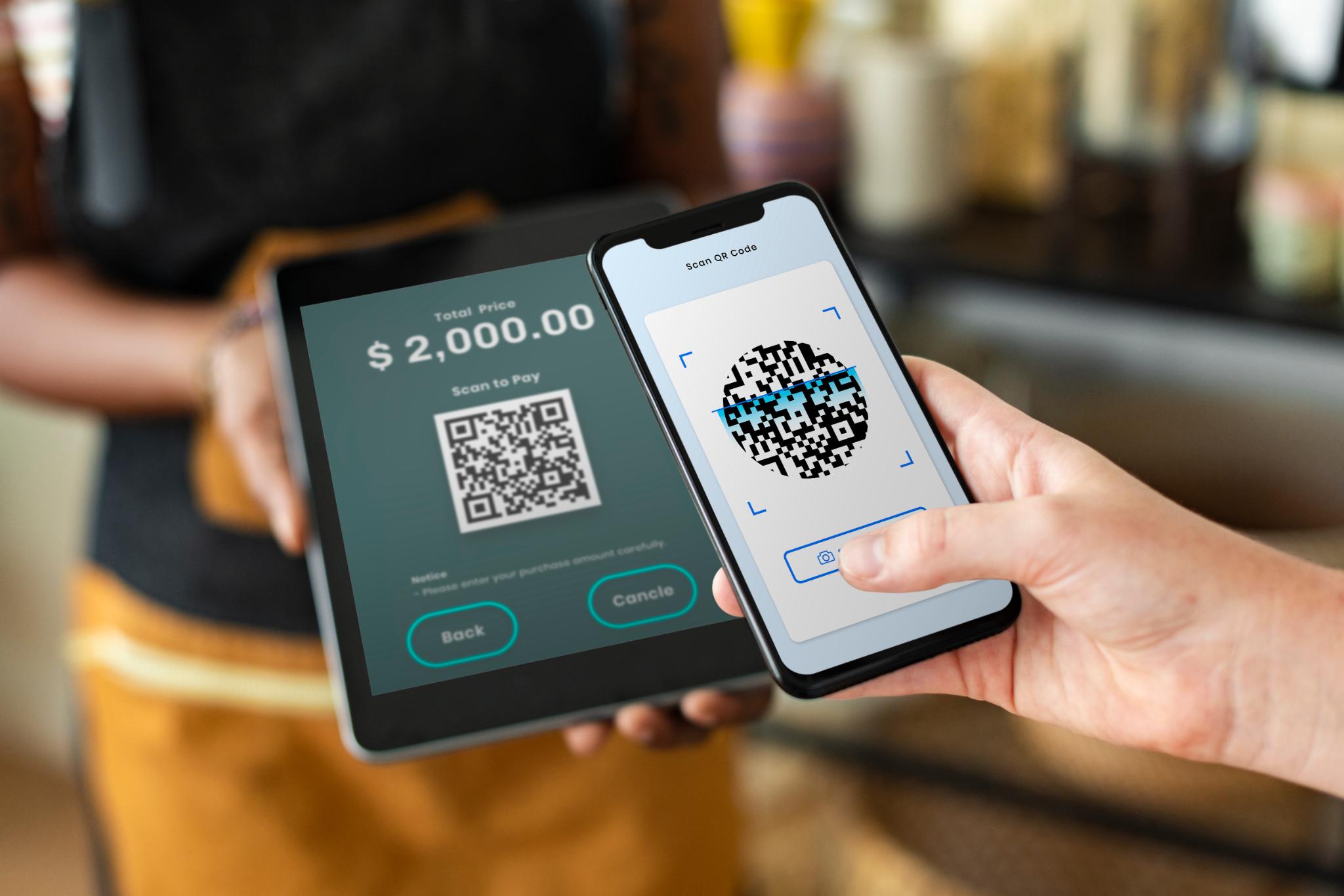
QR codes have become one of the fastest-growing methods for digital payments worldwide.
From street vendors to global retailers, businesses are using QR codes to accept payments quickly, securely, and without expensive hardware. What started as a convenience tool has now become a major part of modern payment systems.
In 2026, QR code payments are not just common. In many markets, they are expected. This article explains how QR code payments work, why they are growing, and how businesses are using them across industries.
What are QR Code payments?
QR code payments allow customers to complete a transaction by scanning a QR code using their smartphone. Instead of swiping a card or tapping NFC, the customer:
Opens a banking app or digital wallet
Confirms the payment amount
Authorizes the transaction
The QR code contains payment information such as:
Merchant account details
Transaction ID
Payment request
Redirect link to a secure payment gateway
Because QR codes can store structured data directly inside the pattern, they are ideal for mobile-first transactions. Understanding what a QR code is and how it stores data helps clarify why this format works so efficiently in payment environments.
Why QR Code payments are growing rapidly
Several factors are driving the global growth of QR code payments.
Lower hardware costs
Traditional card payment systems require:
Card readers
POS terminals
Maintenance fees
QR codes only require a printed code or digital display. This reduces setup costs significantly, especially for small businesses.
Contactless convenience
After global shifts toward contactless experiences, QR codes became widely accepted as a safe alternative to physical payment handling. Customers simply scan and pay from their own device.
Smartphone adoption
With billions of smartphone users worldwide, QR scanning is already built into mobile devices. Businesses do not need customers to download special hardware apps.
Faster checkout for micro-transactions
Street vendors, food trucks, pop-up shops, and small retailers benefit from fast QR-based transactions that do not require card machines.
Static vs Dynamic QR Codes in payments
When using QR codes for payments, businesses typically choose between static and dynamic formats.
Static QR codes
Contain fixed merchant information
Customers manually enter payment amounts
Common for small vendors
Simple to generate
Dynamic QR codes
Generated per transaction
Include exact payment amount
Allow tracking and analytics
Expire after use
Dynamic QR codes are more secure and flexible, especially for structured business environments. The difference between static and dynamic QR formats becomes especially important in financial use cases.
Use the Air Apps' QR Code Reader to scan payment QR codes safely and verify destinations before confirming.
Real examples of QR Code payments
Retail stores
Many stores display QR codes at checkout counters. Customers scan the code to pay via digital wallet apps. This reduces wait times and eliminates card reader dependency.
Restaurants and cafés
QR codes printed on tables allow customers to:
View menus
Place orders
Pay instantly
Restaurants increasingly integrate payment directly into the QR experience.
Public transportation
In many cities, QR codes are used for ticket purchases and entry validation. Passengers scan and show confirmation on their phone.
Freelancers and small businesses
Independent professionals use QR codes on invoices, websites, and business cards to accept payments instantly. This lowers barriers to receiving digital payments.
Are QR Code payments secure?
QR payments are generally secure when implemented correctly. However, like any digital system, risks exist. Common risks include:
Fake QR codes placed over legitimate ones
Phishing redirects
Malicious payment links
Businesses should regularly check printed codes and educate customers on verifying URLs before confirming transactions. Understanding common QR code scams helps reduce fraud in payment scenarios.
How businesses should implement QR Code payments
If a business wants to adopt QR code payments, here are key best practices.
Ensure high-quality QR design
Use high contrast
Maintain proper size
Leave sufficient quiet zone
Test before printing
Poor design is one of the main reasons QR codes fail during scanning.
Place QR codes clearly
Customers should immediately recognize the code as a payment option. Add short instructions near the code to reduce confusion.
Test across multiple devices
Before launching, verify that the QR code scans correctly using different phones and lighting conditions. If scanning problems occur, troubleshooting common QR code issues early prevents campaign failure.
Use secure payment gateways
Never embed raw banking details without encryption. Always route payments through verified, secure platforms.
The future of QR Code payments
Looking ahead, QR code payments are expected to integrate with:
Biometric authentication
Cross-border wallet interoperability
Loyalty programs
Instant digital receipts
Embedded finance systems
In emerging markets especially, QR codes may become the dominant low-cost payment method.
How scanning experience impacts payment success
For QR payments to work smoothly, scanning must be fast and reliable. Customers should be able to:
Detect the QR instantly
Preview the payment destination
Confirm securely
Complete the process within seconds
Inconsistent scanning performance can reduce trust and slow transactions. For users who frequently interact with payment QR codes, having a reliable scanning app can improve detection speed and clarity when reviewing payment links.
Scan payment QR codes instantly and review links clearly with the Air Apps' QR Code Reader.
Final thoughts
QR codes have evolved from simple link-sharing tools into powerful digital payment gateways. They reduce hardware costs, simplify transactions, and enable small businesses to accept digital payments instantly.
As mobile adoption continues to rise, QR-based payment systems will likely become even more widespread in both developed and emerging markets. For businesses and consumers alike, understanding how QR code payments work ensures safer, faster, and more efficient transactions.