Signs of overwatering vs underwatering: How to tell the difference
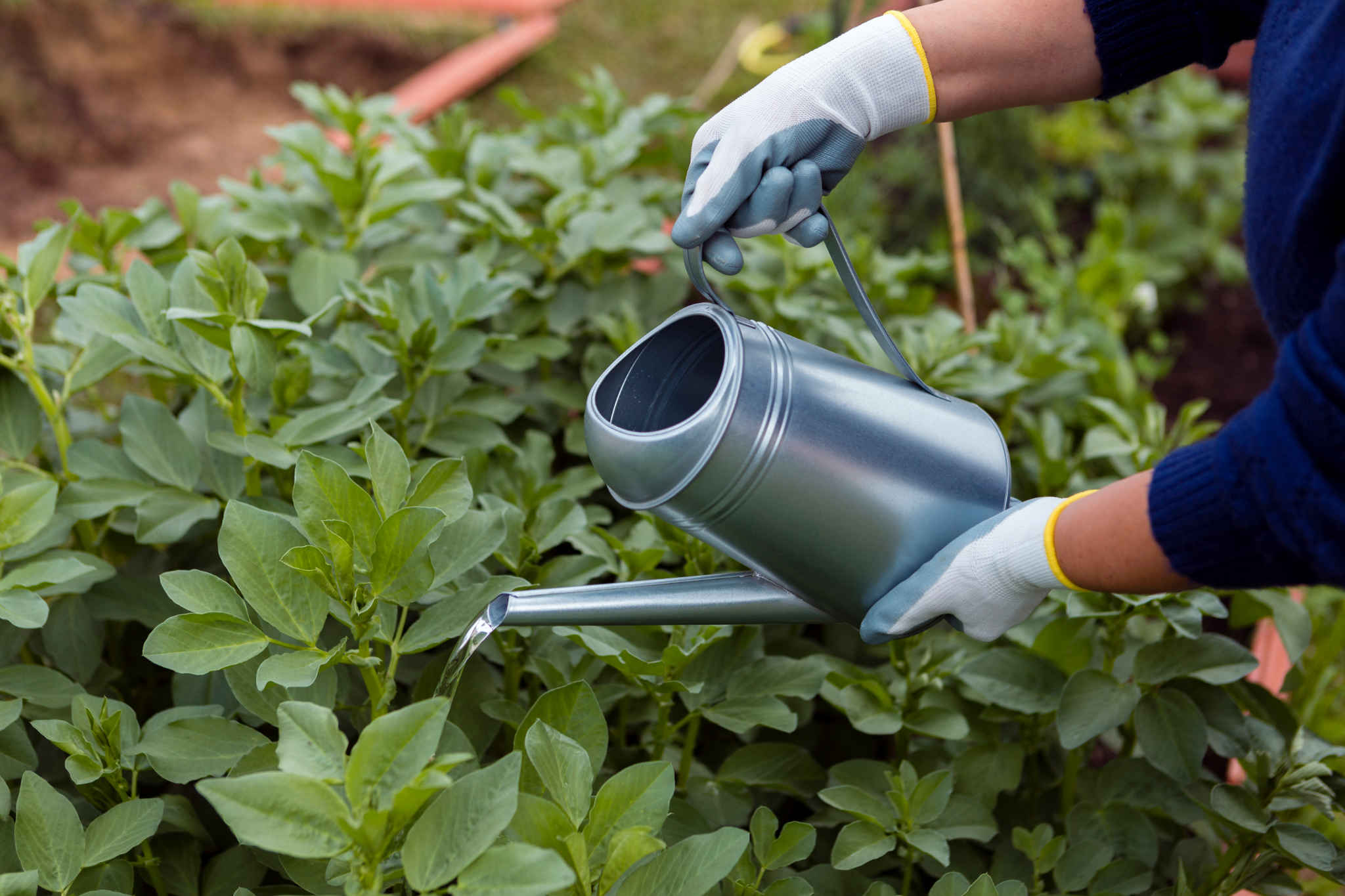
A struggling plant rarely tells you what is wrong directly. The leaves droop, edges turn brown, growth slows down, and suddenly every watering decision feels like a gamble.
Most plant owners assume dry-looking plants need more water. That is where problems begin.
Overwatering and underwatering often create similar symptoms, especially in the early stages. Yellow leaves, curling, wilting, and soft stems can point in either direction. The difference is hidden in the details.
Quick answer:
Overwatered plants usually develop soft yellow leaves, soggy soil, and weak roots, while underwatered plants tend to have dry soil, crispy edges, drooping leaves, and slow recovery after watering.
The challenge is knowing which signs matter most before the plant declines further.
Why plants react so differently to water stress
Water affects almost every internal process inside a plant. Too little water slows nutrient movement and causes dehydration. Too much water blocks oxygen around the roots, which is equally damaging.
That is why both conditions create stress signals that look surprisingly similar from the outside. A drooping pothos, for example, could mean:
The roots are dry and thirsty
The roots are drowning from excess moisture
Same symptom. Completely different problem.
This confusion is one reason searches like how to tell if a plant is overwatered or underwatered continue growing across houseplant and gardening communities.
The fix starts with observation, not watering immediately.
The biggest difference is usually in the soil
Before looking at the leaves, check the soil. This sounds obvious, but many people skip it and diagnose based only on appearance.
Overwatered soil feels:
Wet for long periods
Dense or compacted
Cool and heavy
Underwatered soil feels:
Dry and crumbly
Pulls away from pot edges
Lightweight
A moisture imbalance always leaves clues below the surface first.
If the soil still feels wet days after watering, the issue is probably not lack of water. In many cases, poor drainage or oversized pots trap moisture longer than expected.
Signs of an overwatered plant
Overwatering damages plants slowly at first. The roots stop getting oxygen, fungal issues develop, and nutrient uptake weakens.
The plant may still look green initially, which makes the problem harder to spot early.
Common signs of overwatering plants
Symptom | What it usually means |
|---|---|
Yellow lower leaves | Root stress from excess moisture |
Soft or mushy stems | Early root rot |
Constantly wet soil | Poor drainage or overwatering |
Fungus gnats | Moist soil environment |
Leaves dropping while still green | Root oxygen deprivation |
Mold on soil surface | Excess humidity and moisture |
One detail people often miss is texture. Overwatered leaves usually feel soft or swollen before they fall off.
This is especially common in tropical indoor plants like monstera, pothos, and peace lilies.
Signs of underwatering plants
Underwatered plants behave differently. Instead of soft decline, they become brittle and weak. The plant begins conserving energy. Growth slows down. Leaves curl inward. Tips dry out first because moisture is redirected toward survival.
Common signs of underwatering plants
Symptom | What It Usually Means |
|---|---|
Crispy brown edges | Dehydration |
Dry compact soil | Water deficiency |
Limp or curling leaves | Moisture loss |
Slow growth | Reduced nutrient transport |
Wilting with quick recovery after watering | Underwatering |
Thin dry stems | Ongoing dehydration |
A snake plant, for example, responds very differently depending on water stress. An overwatered snake plant becomes mushy near the base. An underwatered one develops wrinkled, bending leaves. Small distinctions matter.
Why yellow leaves confuse so Many plant owners
Yellowing leaves sit right in the middle of both problems, which is why people misdiagnose them constantly. An overwatered plant may turn yellow because roots cannot absorb nutrients properly.
An underwatered plant may also yellow because the plant starts sacrificing older leaves to survive. This is why yellow leaves alone are not enough to diagnose anything.
You need surrounding context:
Soil condition
Leaf texture
Recovery speed after watering
Stem firmness
If yellowing is your main concern, understanding why plant leaves turn yellow helps connect symptoms with the actual root cause instead of guessing.
Overwatering vs underwatering in popular houseplants
Different plants react differently to watering stress. Some show symptoms quickly, while others decline gradually over weeks.
Here are a few common examples people search for regularly.
Aloe plant
Overwatered aloe becomes translucent and mushy
Underwatered aloe looks thin and curled
Spider plant
Overwatered spider plant develops yellow limp leaves
Underwatered spider plant gets dry brown tips
Jade plant
Overwatered jade leaves fall easily and feel soft
Underwatered jade leaves wrinkle and flatten
Tomato plants
Overwatered tomato plants yellow rapidly and grow weak stems
Underwatered tomato plants wilt dramatically in heat
This pattern appears across many searches like:
overwatered vs underwatered aloe plant
tomato plant overwatered vs underwatered
snake plant overwatered vs underwatered
The underlying principle stays the same. Texture and soil tell the truth faster than color alone.
A simple way to diagnose watering problems
Most plant issues become easier to identify when you stop looking at one symptom in isolation. Instead, combine observations.
Check these four things together:
Soil moisture
Leaf texture
Stem firmness
Recovery after watering
Here is the key distinction:
Underwatered plants usually improve quickly after watering
Overwatered plants often continue declining even after water is added
That delayed decline is an important signal. If you are unsure about the plant species itself, using a plant identifier app can help confirm the plant and surface care patterns tied to its watering needs.
Different species tolerate stress differently.
Why overwatering is more common indoors
Most indoor plants die from too much care, not neglect.
People water on schedule instead of observing conditions. A plant watered every Sunday may not actually need water every Sunday. Indoor environments also dry out slower because:
Air circulation is lower
Sunlight is weaker
Pots retain moisture longer
This creates a false sense that plants are thirsty when they are not.
Beginners especially tend to react emotionally to drooping leaves and add more water immediately, which often worsens the issue.
The pot matters more than most people think
Drainage changes everything. A healthy watering routine can still fail if the pot traps moisture excessively.
Plants sitting in decorative pots without drainage holes are at much higher risk of root rot. The same applies to dense soil mixes that stay wet too long.
If your plant repeatedly shows stress despite careful watering, the problem may not be frequency at all. It may be drainage.
One habit that prevents most watering problems
Stop watering based on routine alone. Instead:
Check soil before watering
Lift the pot to feel weight changes
Observe leaves over time
Adjust based on season and light conditions
Plants consume water differently in summer versus winter. A schedule that works in July may overwater the same plant in December. This is where observation beats rigid care charts.
Water stress and plant identification often go together
Many people struggle because they are caring for a plant without fully knowing what it is. A cactus treated like a tropical plant will decline quickly. A moisture-loving fern treated like a succulent will do the same.
That is why proper identification matters before changing care routines. If you are unsure about the plant itself, identifying it first through photo-based plant recognition makes diagnosis far more accurate.
The care instructions only make sense once the species is confirmed.
When a plant can still recover
Plants are more resilient than people think.
Underwatered plants often recover surprisingly fast if caught early. Overwatered plants take longer because damaged roots need time to rebuild. Recovery depends on:
Severity of root damage
Drainage quality
Plant species
How quickly the issue is corrected
A pothos may bounce back within days. A severely overwatered succulent may not recover at all. The earlier you identify the pattern, the better the outcome.
Final thoughts
Overwatering and underwatering create confusion because the symptoms overlap so often. Yellow leaves, drooping stems, and weak growth can point in both directions. The difference appears when you slow down and examine the full picture.
Healthy diagnosis comes from combining:
Soil condition
Leaf texture
Stem firmness
Plant behavior after watering
Once you start observing patterns instead of reacting instantly, watering becomes much easier to manage.
If you want faster identification and plant care insights in one place, Plants Air helps you identify species, diagnose issues, and understand watering needs directly from a photo.