QR Codes on Product Packaging: Examples, benefits, and best practices
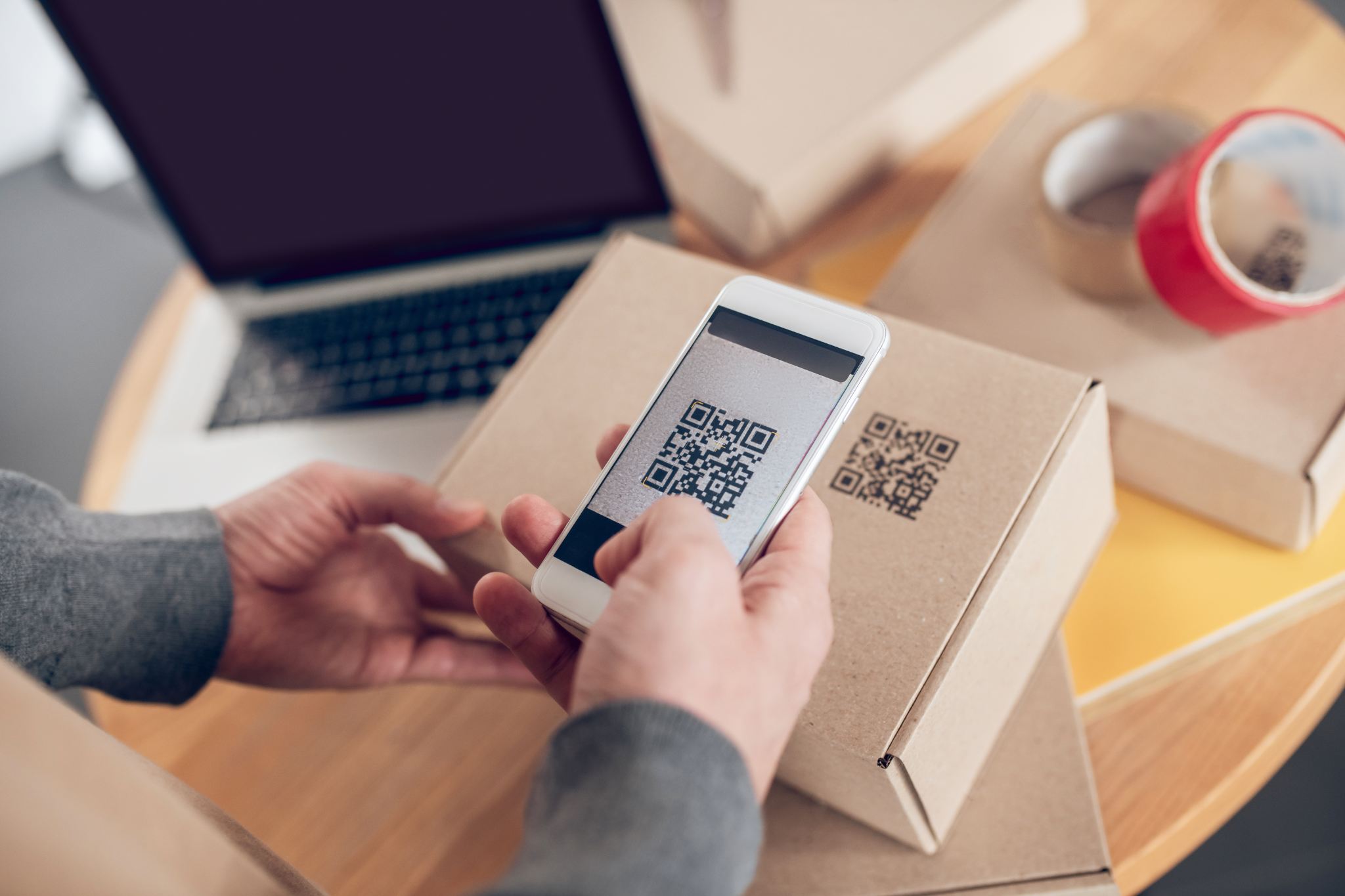
A QR code on packaging is no longer just a convenience feature. For many brands, it has become one of the most direct ways to connect physical products with digital experiences. Whether you sell coffee, skincare, supplements, electronics, or apparel, a packaging QR code can turn a one-time purchase into an ongoing customer relationship.
A QR code on product packaging allows customers to access digital content, product information, support resources, loyalty programs, or feedback forms by scanning a code directly from the package.
The best packaging QR codes do more than provide information. They create engagement after the sale.
Why brands are adding QR codes to packaging
Packaging has always had a limitation. Once a product leaves the shelf, communication becomes difficult. Space is limited, printing is expensive, and customer attention is fragmented.
QR codes solve that problem. Instead of trying to fit everything onto a label, brands can provide access to dynamic content that evolves over time. Customers can scan to:
learn how to use a product
verify authenticity
access support resources
join loyalty programs
leave reviews
unlock promotions
A package is no longer the end of the customer journey. It becomes the beginning of a digital one.
Common packaging QR code examples
Not every packaging QR code serves the same purpose. The most successful implementations focus on a specific customer need.
Product instructions
Many products require setup, assembly, or special usage instructions. Instead of printing lengthy manuals, brands can direct customers to videos, interactive guides, or support pages. This approach is especially common in electronics, fitness equipment, and home goods.
Customer feedback and reviews
Packaging often represents the perfect moment to request feedback. The customer already owns the product and has experience using it. A simple feedback QR code can direct them to surveys, review platforms, or support forms.
Businesses exploring this strategy can also learn from customer feedback QR codes.
Loyalty and rewards programs
Retail and consumer brands frequently use QR codes to encourage repeat purchases. Customers scan once to:
join rewards programs
earn points
receive special offers
access exclusive content
Product authentication
Counterfeit products remain a major concern across industries. QR codes allow customers to verify authenticity by connecting directly to brand-owned verification systems. This approach is increasingly common in luxury goods, cosmetics, and pharmaceuticals.
Static vs dynamic QR codes on packaging
One of the most important decisions is choosing the right QR code type.
Feature | Static QR Code | Dynamic QR Code |
|---|---|---|
Editable after printing | No | Yes |
Scan analytics | No | Yes |
Campaign flexibility | Limited | High |
Best for | Permanent content | Evolving content |
For packaging, dynamic QR codes usually provide more long-term value. Products often stay in circulation for months or years. Marketing campaigns, support pages, and promotions change much faster.
If you need a deeper comparison, take a look on Static vs Dynamic QR Codes.
The longer a product remains on shelves, the more valuable a dynamic QR code becomes.
What should happen after the scan?
This is where many brands make mistakes. They focus on the QR code itself and forget the destination. The scan experience should feel intentional. For example:
Product Type | Recommended Destination |
|---|---|
Coffee | Brewing guide and rewards program |
Skincare | Product tutorial and ingredients information |
Supplements | Usage guide and educational content |
Electronics | Setup videos and support center |
Apparel | Product story and loyalty program |
The destination should answer the customer's next question. Not every scan needs to lead to a homepage. In fact, homepages often perform poorly because they create unnecessary friction.
The best packaging QR codes solve a problem immediately after the scan.
Best practices for packaging QR codes
Make the value obvious
Customers should know why they should scan. Instead of generic language like:
"Scan Here"
Use specific CTAs such as:
Scan for setup instructions
Scan to earn rewards
Scan to verify authenticity
Scan for product tips
Brands using stronger CTAs consistently see higher engagement rates.
For more guidance, these call-to-action QR code strategies can improve scan performance.
Place the QR code strategically
Location matters. The QR code should be visible without disrupting packaging design. Common placements include:
side panels
back labels
inserts
inside packaging
Avoid folds, seams, and curved surfaces whenever possible.
Test before mass production
Packaging mistakes become expensive quickly. Before printing thousands of units:
Test scanning distance
Test multiple devices
Test under different lighting conditions
Verify the destination page
Many scanning issues stem from poor design choices rather than the QR code itself.
If problems arise, this guide on why a QR code is not working covers common causes.
Emerging trends in QR code packaging
The next generation of packaging QR codes is becoming more personalized. Brands increasingly use QR codes for:
personalized product experiences
location-specific promotions
sustainability information
traceability and sourcing transparency
AI-powered customer support
Consumers want more information about the products they buy. QR codes create a scalable way to provide that information without redesigning packaging every time something changes. This flexibility explains why QR adoption continues growing across consumer packaged goods, e-commerce, and retail sectors.
A simple framework for packaging QR codes
Before adding a QR code to packaging, ask three questions:
What customer problem does it solve?
Information, support, rewards, or trust.
Why would someone scan it?
The value must be immediate and obvious.
What action should happen next?
The destination should guide users toward a specific outcome.
Brands that answer these questions before implementation consistently achieve better engagement.
Final thoughts
QR codes on product packaging create a bridge between physical products and digital experiences. The most effective implementations are not the most complex. They are the most useful.
Whether the goal is customer education, loyalty, support, authentication, or feedback, the key is providing clear value after the scan. A well-designed packaging QR code continues working long after the product leaves the shelf.
Create packaging QR codes that stay flexible
QR Code Air helps brands create dynamic QR codes that can be updated after printing, track scan activity, and support changing campaigns without redesigning packaging. Generate your next product packaging QR code with the QR Code Air and connect every product to a better customer experience.
FAQs
Why do companies put QR codes on product packaging?
Companies use QR codes to provide product information, tutorials, support resources, loyalty programs, authentication tools, and customer feedback opportunities.
What should a packaging QR code link to?
The destination should match customer intent. Common options include setup guides, product tutorials, review pages, support resources, and rewards programs.
Are dynamic QR codes better for packaging?
In most cases, yes. Dynamic QR codes allow brands to update destinations and track engagement without reprinting packaging.
Do customers actually scan QR codes on products?
Yes. Scan rates increase significantly when the QR code provides clear value, such as instructions, discounts, rewards, or exclusive content.
Where should a QR code be placed on packaging?
The QR code should be easy to find and scan. Common locations include side panels, back labels, inserts, and inside packaging.
Can QR codes help reduce printed instructions?
Yes. Many brands replace lengthy manuals with QR codes that link to videos, guides, and support resources.