How to identify flowers by photo (A practical guide that actually works)
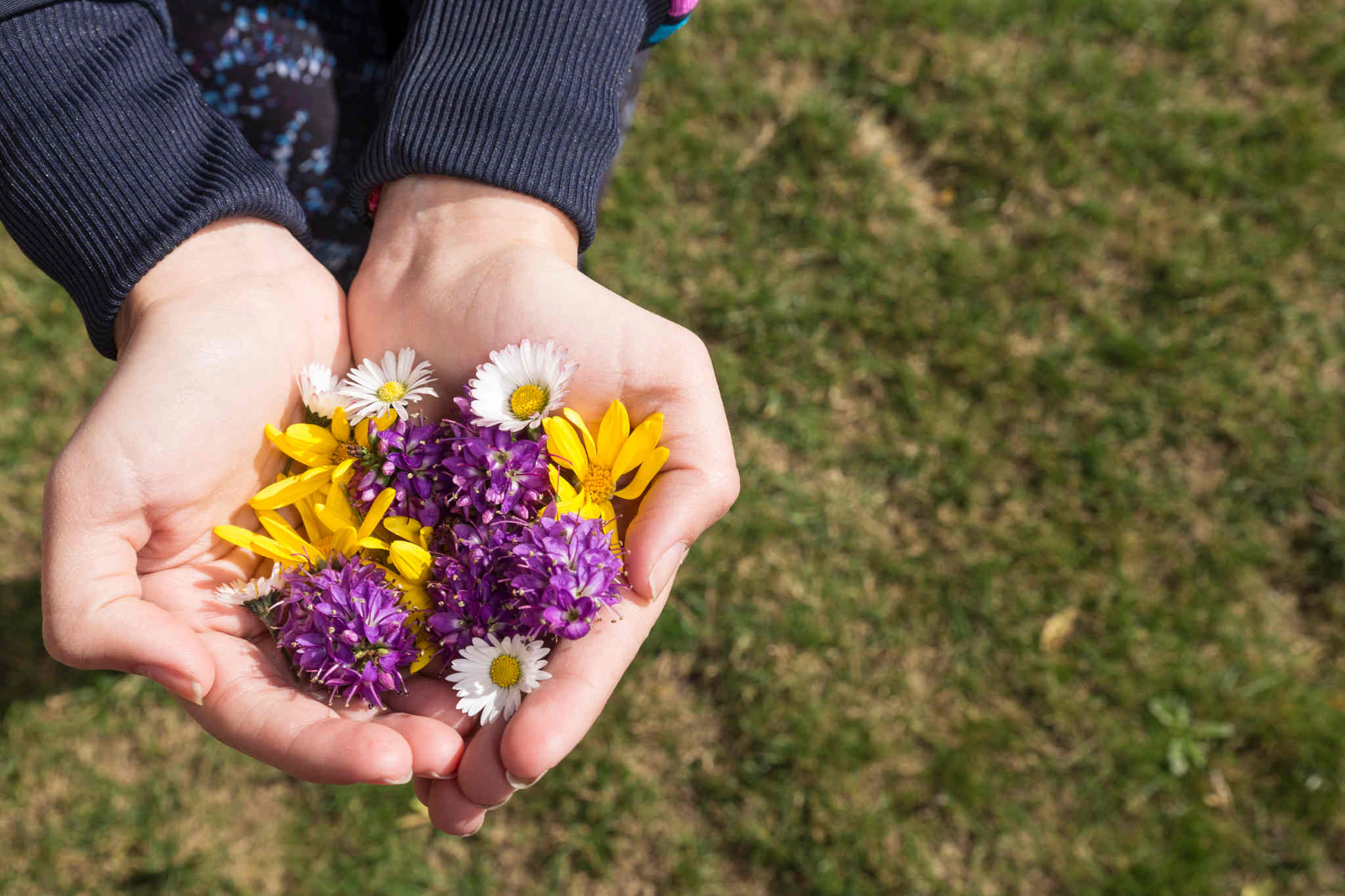
You take a photo of a flower because something about it catches your eye. The color, the shape, maybe the setting. Then comes the obvious question, what is it?
Most people assume identifying flowers by photo is instant and effortless. In reality, they get wrong results, vague matches, or no clear answer at all.
The issue is not the technology. It is how the process is approached.
Quick answer:
To identify flowers by photo accurately, you need a clear image, multiple visual cues like petals and leaves, and a reliable identification method. The result improves significantly when you verify matches instead of trusting the first output.
That sounds simple. The difference lies in execution.
Why flower identification by photo often fails
There is a gap between expectation and reality here.
Search queries like identify flowers by photo, identify flowers by picture, and flower identification app are growing fast, but most users are still not getting consistent results.
The reason is simple. Flowers are deceptive.
Two different species can share the same color and petal layout. At the same time, a single species can look different depending on growth stage, lighting, or season.
For example, a young daisy and a mature chamomile can look nearly identical in a photo. Without context, even a good system struggles.
This is why relying on a single snapshot rarely works. You are not just identifying a flower, you are interpreting a visual pattern with missing information.
The right way to identify flowers by photo
Instead of treating this as a one-step action, think of it as a short process. Not complicated, but deliberate.
Step 1: Get a photo that is actually useful
Most people rush this. That is the first mistake.
A flower photo should do more than “look nice.” It should reveal structure.
Take the photo in natural light whenever possible. Avoid harsh sunlight that creates shadows across petals. Keep the flower centered, and make sure the image is sharp enough to show details.
If you zoom too much, you lose context. If you stay too far, you lose detail.
There is a balance, and once you get it right, your success rate improves immediately.
Step 2: Capture more than just the flower
This is where most identification attempts break down.
A flower alone is often not enough. You need supporting details.
Take at least one additional photo that includes:
Leaves near the flower
Stem thickness or pattern
How the flower grows in relation to others
A wildflower growing in clusters tells a different story than a single bloom on a stem.
People searching identify wild flowers or identify flowering cactus plants often fail because they isolate the flower and ignore everything around it.
Context is not optional. It is essential.
Step 3: Use a tool that understands patterns
Once you have strong images, you need something that can process them properly.
Using a plant identifier app like Plants Air allows you to scan the image and match it against a large dataset of plant species.
What matters here is not speed, it is interpretation. The tool looks at:
Petal symmetry
Color distribution
Texture and edges
Structural proportions
Within seconds, you get possible matches. Not always one answer, but a shortlist. That shortlist is where the real identification begins.
Step 4: Validate before you trust the result
This step is ignored more than any other, and it is the reason people get wrong answers.
Do not accept the first match without checking. Look at your flower and compare it to the result:
Are the petals arranged the same way
Does the center structure match
Do the leaves look similar
If one element feels off, it probably is.
If you are unsure at this stage, it helps to understand broader identification approaches. You can explore ways to identify unknown plants to refine your judgment.
Verification is what turns a guess into a confident identification.
Where most people go wrong
You can follow the steps and still get poor results if you fall into common traps.One pattern stands out clearly. People expect accuracy without providing enough input. Here are the mistakes that quietly ruin identification:
Taking one photo and expecting certainty
Ignoring leaves and stems
Shooting in poor lighting conditions
Trusting the first result without comparison
None of these feel like big mistakes. Together, they completely reduce accuracy. If you fix just one thing, fix the input quality.
Real situations where this matters
This is not just a curiosity problem. Flower identification has practical use cases.
You might see a plant in your garden and want to know if it is invasive. You might come across a wildflower while traveling and want to understand its habitat. Or you might be buying a plant and need to know how to care for it.
In each case, identifying the flower is the starting point, not the end goal.
For example, someone searching identify purple flowering tree or identify weeds with yellow flowers is not just naming a plant. They are trying to decide what to do next.
That decision depends on accuracy.
The difference between manual and photo-based identification
Before photo tools became common, identification meant flipping through guides or comparing images manually.
That method still exists, but it is slow and often unreliable for beginners.
Photo-based identification changes the process:
Method | Speed | Accuracy | Effort |
|---|---|---|---|
Manual search | Slow | Medium | High |
Photo identification | Fast | High | Low |
The advantage is clear, but only when used correctly. The tool is not the solution by itself. The process is.
When you should Be careful with results
There are situations where even good identification can struggle.
These include:
Flowers that are not fully bloomed
Rare or region-specific species
Hybrid plants
Poor image conditions
In these cases, results may be close but not exact.
If accuracy matters, such as for safety or plant care, take multiple photos and compare results across attempts.
You can also start by learning how to identify a plant from a photo to improve your overall approach before focusing only on flowers.
A Smarter way to think about flower identification
Most people approach this like a one-click answer. A better way is to treat it like pattern recognition.
You are not just asking, “what flower is this?”
You are asking, “which known pattern does this match most closely?”
That shift changes how you take photos, how you interpret results, and how accurate you become over time.
The more you observe, the faster you get.
A simple mental checklist
If you want a quick internal check before identifying any flower, use this:
Is the photo clear and well-lit
Do I have at least two angles
Can I see leaves or surrounding structure
Does the result match what I see
This takes less than a minute and improves outcomes dramatically.
Where a tool actually helps
At some point, manual observation reaches its limit. That is where a flower identification app becomes useful, not because it replaces thinking, but because it accelerates it.
Instead of scanning dozens of possibilities, you get a focused set of matches. From there, your judgment becomes the deciding factor. Used correctly, it reduces effort without reducing accuracy.
Final thought
Identifying flowers by photo is not difficult, but it is not passive either. The difference between a wrong answer and a reliable one often comes down to small details. Better photos, better context, and a moment spent verifying results.
Once you get that right, the process becomes fast, repeatable, and surprisingly accurate.