What is a QR Code? How it works, types, and benefits
Jan 26, 2026
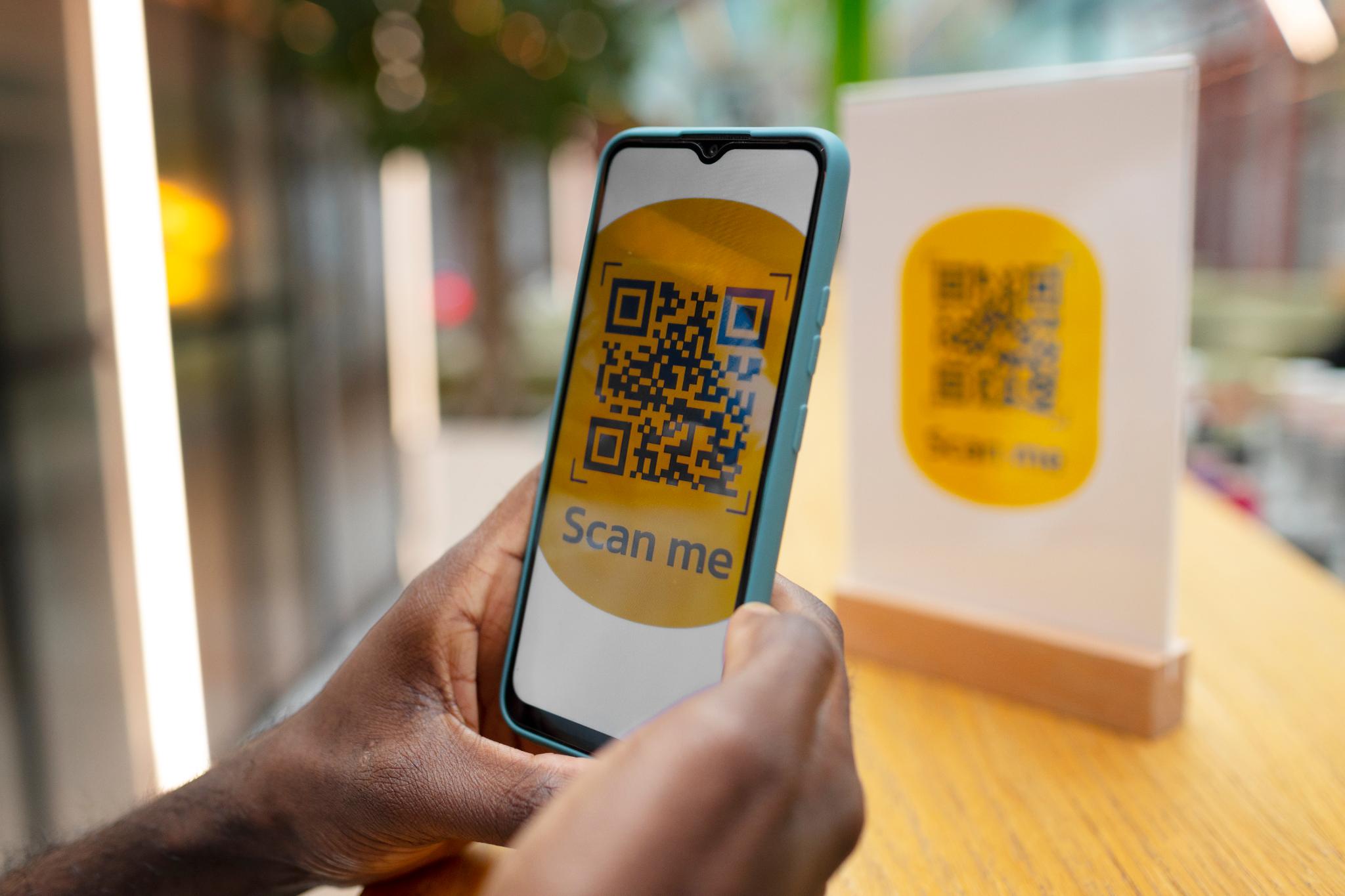
A QR code is a fast, contactless way to share information using a smartphone camera. From payments to marketing and authentication, QR codes are now a core part of digital experiences worldwide. This guide explains what a QR code is, how it works, its main types, and the benefits for businesses and users globally.
What is a QR Code?
A QR code (Quick Response code) is a two-dimensional barcode that stores information such as website URLs, text, contact details, payment data, or files. When scanned using a smartphone camera or QR code reader, it instantly displays the encoded content without manual typing.
Unlike traditional barcodes that store data in a single horizontal line, QR codes store information both vertically and horizontally. This structure allows them to hold significantly more data in a compact square format.
Originally developed in 1994 by Denso Wave in Japan, QR codes are now used globally across retail, healthcare, travel, education, real estate, and digital marketing.
How does a QR Code work?
A QR code works by encoding data into a pattern of black and white squares, known as modules, arranged inside a square grid. These patterns are designed so scanners can read them quickly and accurately, even if part of the code is damaged.
Step-by-step process:
QR code creation
A QR code is generated with specific data such as a URL, text, contact card, file, or command.Scanning the code
A user scans the code using a smartphone camera or a QR scanner app.Pattern recognition
The scanner detects alignment markers and reads the grid pattern.Error correction
Built-in error correction ensures the data is decoded correctly, even if the code is partially scratched or obscured.Instant action
The decoded content is displayed or executed, such as opening a website, saving a contact, connecting to Wi-Fi, or initiating a payment.
The entire process usually takes less than one second.
Try it yourself: Download Air Apps' QR Code Reader and Barcode Scanner to scan any QR code quickly and safely.
Why are QR Codes so popular globally?
QR code adoption increased significantly after 2020 as contactless interactions became essential. Today, most smartphones support QR scanning natively, making QR codes frictionless for users worldwide.
QR codes are popular because they enable:
Contactless payments and menus
Fast access to digital content
No app downloads in most cases
Low-cost deployment for businesses
Seamless offline-to-online experiences
Their simplicity, speed, and versatility make them ideal for both global enterprises and small businesses.
Types of QR Codes.
QR codes are mainly divided into static and dynamic types, with additional variations based on use cases and data format.
Static QR Codes
Static QR codes contain fixed information that cannot be changed after creation. Once generated, the encoded data remains permanent.
They are best suited for information that does not need updates, such as printed materials or long-term instructions.
Common uses include:
Website URLs
Wi-Fi credentials
Plain text or instructions
Contact details
Limitations:
Content cannot be edited later
No scan tracking or analytics
Dynamic QR Codes
Dynamic QR codes store a short redirect URL rather than fixed data. This allows the destination content to be updated anytime without changing the QR code itself.
They are widely used by businesses because they provide flexibility and insights.
Advantages include:
Editable destination links
Scan tracking and analytics
Ideal for campaigns and ongoing use
Common uses include:
Marketing campaigns
Product packaging
Event check-ins
Business profiles
QR Code types by use case.
Different QR codes serve different purposes depending on the data they store.
URL QR Codes – Open websites, landing pages, or app stores instantly
vCard QR Codes – Save contact details directly to a phone
Wi-Fi QR Codes – Connect to a network without typing a password
Payment QR Codes – Enable instant digital wallet or banking payments
App Download QR Codes – Redirect users based on their device
File QR Codes – Download PDFs, images, videos, or documents
For faster and more accurate results, try scanning with Air Apps' QR Code Reader, built for instant detection and secure link checks.
Benefits of QR Codes
QR codes provide speed, convenience, cost efficiency, and contactless access to information, making them valuable for both individuals and businesses.
Benefits for users
QR codes make everyday tasks faster and easier by removing friction.
Instant access to information
No typing or searching required
Contactless and hygienic
Compatible with most smartphones
Benefits for businesses
For organizations, QR codes support engagement, tracking, and efficiency.
Low-cost digital engagement
Easy integration with print and offline media
Trackable user behavior with dynamic codes
Faster conversions and improved customer journeys
Real-world use cases of QR Codes.
QR codes are used across industries to simplify operations, improve experiences, and connect physical locations with digital content.
QR Codes for retail & inventory
Retailers use QR codes to link products to detailed descriptions, pricing, reviews, and inventory systems. They also support contactless payments and loyalty programs, improving in-store efficiency.
QR Codes for restaurants and hospitality
Restaurants and hotels rely on QR codes for digital menus, table-side ordering, feedback collection, and contactless check-ins. This reduces wait times and improves guest experiences.
QR Codes for real estate
Real estate professionals use QR codes on signs and brochures to share property listings, virtual tours, floor plans, and agent contact details instantly.
QR Codes for events
Events use QR codes for ticketing, check-ins, schedules, networking, and post-event surveys. This streamlines entry and enhances attendee engagement.
QR Codes for education
Schools and universities use QR codes to distribute course materials, track attendance, share assignments, and guide campus navigation.
QR Codes for marketing & business
Businesses use QR codes in advertising, packaging, business cards, and storefronts to drive traffic, capture leads, and track campaign performance.
Are QR Codes secure?
QR codes themselves are neutral. Security depends entirely on the destination they link to.
Best practices include:
Using trusted, branded QR generators
Avoiding unknown or suspicious codes
Previewing links before opening
Ensuring destinations use HTTPS
Many regions, including the US and EU, promote QR code awareness as part of broader digital safety guidance.
Future of QR Codes.
Globally, QR codes continue to evolve alongside emerging technologies. Future trends include:
Digital identity verification
Smart packaging
Augmented reality experiences
AI-driven personalization
As mobile-first behavior grows, QR codes remain a simple and powerful bridge between physical and digital worlds.
Conclusion.
QR codes are a flexible, efficient, and globally adopted technology that simplifies how people access information and services. By understanding what a QR code is, how it works, the different types available, and the real benefits, businesses and individuals can use QR codes strategically for faster engagement and better experiences.
Whether for retail, hospitality, education, events, or marketing, QR codes continue to play a critical role in modern digital interactions.