What is a barcode? The beginner’s guide to understanding barcodes
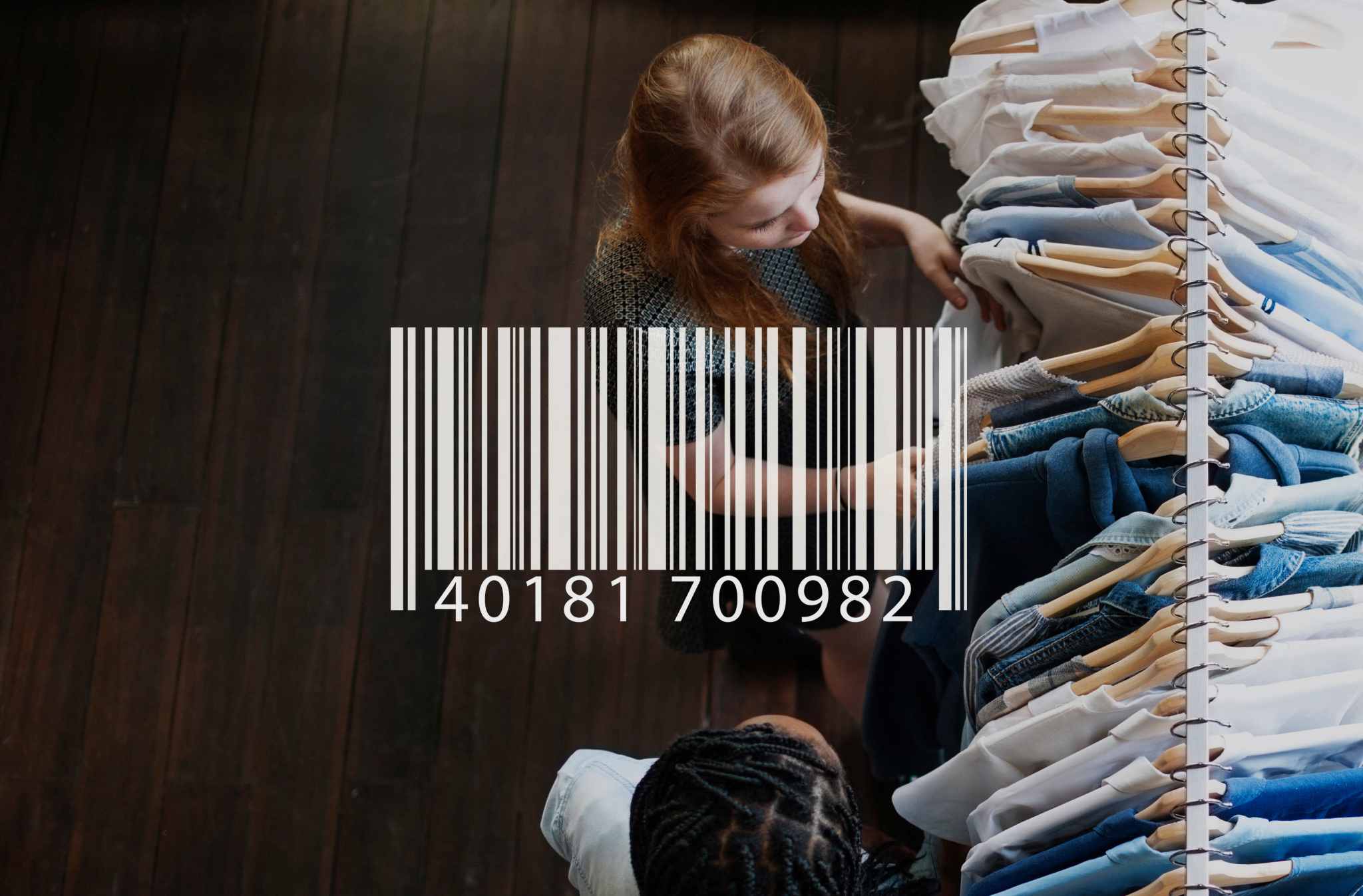
Barcodes are everywhere, even when we stop noticing them.
They appear on grocery items, shipping labels, clothing tags, warehouse boxes, library books, medicine packaging, and online orders. Every time a product is scanned at checkout or tracked during delivery, a barcode is doing the work behind the scenes.
Despite how common they are, many people still wonder what a barcode actually is and how it works.
This guide breaks it down in simple terms. You will learn what a barcode is, how barcode scanning works, the most common barcode types, and why barcode scanners are essential for businesses and everyday users.
What is a Barcode?
A barcode is a machine readable visual code used to store and identify information about an item.
It is made up of lines, numbers, or square patterns that can be scanned using a barcode scanner or a barcode scanning app. Each barcode represents unique data, such as a product ID, SKU, batch number, or tracking reference.
When scanned, that data is instantly decoded and displayed on the screen.
Think of a barcode as a digital fingerprint for a physical product. It allows systems to recognize items quickly and accurately without manual input.
Curious to see how it works in real life?
You can scan almost any product using the Air Apps Barcode Scanner and instantly view item details on your phone.
How does a Barcode work?
Barcodes work by encoding information into a visual pattern that scanners can read using light.
Here is a simple breakdown of the process.
Step 1: Light hits the Barcode
A scanner or smartphone camera shines light onto the barcode. Dark areas absorb light, while lighter areas reflect it. This contrast is what makes the pattern readable.
Step 2: The pattern is decoded
The scanner analyzes the width and spacing of the lines or squares. That visual data is converted into digital information.
Step 3: Information is retrieved
The decoded data is matched with a database or system. This reveals product details such as name, price, category, stock status, or tracking information.
All of this happens in a fraction of a second, which is why barcodes are trusted in fast paced environments like retail checkouts, shipping centers, and warehouses.
Why Barcodes matter more than ever.
Barcodes play a critical role in modern commerce and logistics. They reduce errors, save time, and make large scale operations possible.
Barcodes are widely used in:
Retail and grocery stores
Warehouses and fulfillment centers
E-commerce and shipping
Manufacturing and assembly lines
Healthcare and pharmacies
Libraries and education systems
Logistics and delivery services
Inventory management for businesses of all sizes
Consumers also rely on barcodes to check product information, compare prices, verify authenticity, and organize personal inventories at home.
Types of Barcodes you should know.
Not all barcodes are the same. Different formats exist depending on how much data needs to be stored and where the barcode is used.
One dimensional Barcodes (1D Barcodes)
These are the classic barcodes made of vertical black lines. They store information in a single horizontal line. Common 1D barcode types include:
UPC (Universal Product Code)
Used on retail products in the United States, especially in grocery stores.EAN (European Article Number)
Used internationally on retail packaging.Code 128
Popular in logistics and warehouses because it supports more data.ITF 14
Common on shipping cartons and pallets.Code 39
Often used in industrial, government, and military labeling.
1D barcodes are best suited for basic product identification and large scale inventory systems.
Two dimensional Barcodes (2D Barcodes)
Two dimensional barcodes store information both horizontally and vertically. This allows them to hold much more data in a compact space.
Common 2D barcode types include:
QR Codes
Used for website links, payments, menus, contact details, and marketing campaigns.Data Matrix
Common in healthcare, electronics, and manufacturing where space is limited.PDF417
Used on boarding passes, shipping labels, and official documents.
2D barcodes are ideal when more information is needed or when space is limited.
If you want a deeper comparison, check out our guide on Barcode vs QR Code to understand which one works best for different use cases.
Key benefits of using Barcodes.
Barcodes are valuable for individuals and businesses alike.
Faster and more accurate scanning
Barcodes eliminate manual data entry, reducing errors and speeding up workflows.
Better inventory control
With barcode scanning, businesses can track stock levels in real time, manage reorders, and locate items quickly.
Cost savings
Fewer errors and less manual work lead to lower operational costs over time.
Improved customer experience
Customers can scan barcodes to view product details, verify prices, read reviews, and compare items with confidence.
Easy to create and use
Barcodes are simple to generate and require no advanced technical skills. Once printed, they work instantly.
Manage products effortlessly using the Air Apps QR code and Barcode Scanner, built for fast scanning and organized item tracking.
How to scan a Barcode using your phone.
You do not need special hardware to scan barcodes anymore. Your smartphone can handle it.
To scan a barcode using your phone:
Open the Air Apps QR code and Barcode Scanner
Point your camera at the barcode
Wait for the scan to complete
View product information or save the item
Modern barcode scanning apps make the process fast and reliable.
How to create a Barcode.
Creating a barcode is just as easy as scanning one.
Open a barcode generator or compatible app
Enter the data you want to encode
Select a barcode type such as UPC, Code 128, or EAN
Download and print the barcode
Attach it to your product or packaging
This works well for online sellers, small businesses, and home inventory systems.
Final thoughts.
Barcodes may look simple, but they power some of the most important systems in the world. They make it possible to identify products instantly, reduce errors, track inventory, and access information with speed and accuracy.
Whether you are scanning items at home or managing products at scale, a reliable barcode scanner makes everyday tasks easier.
If you want a fast, accurate, and easy way to scan barcodes on your phone, try the Air Apps QR code and Barcode Scanner and see the difference for yourself.