Translating training guides for international employees
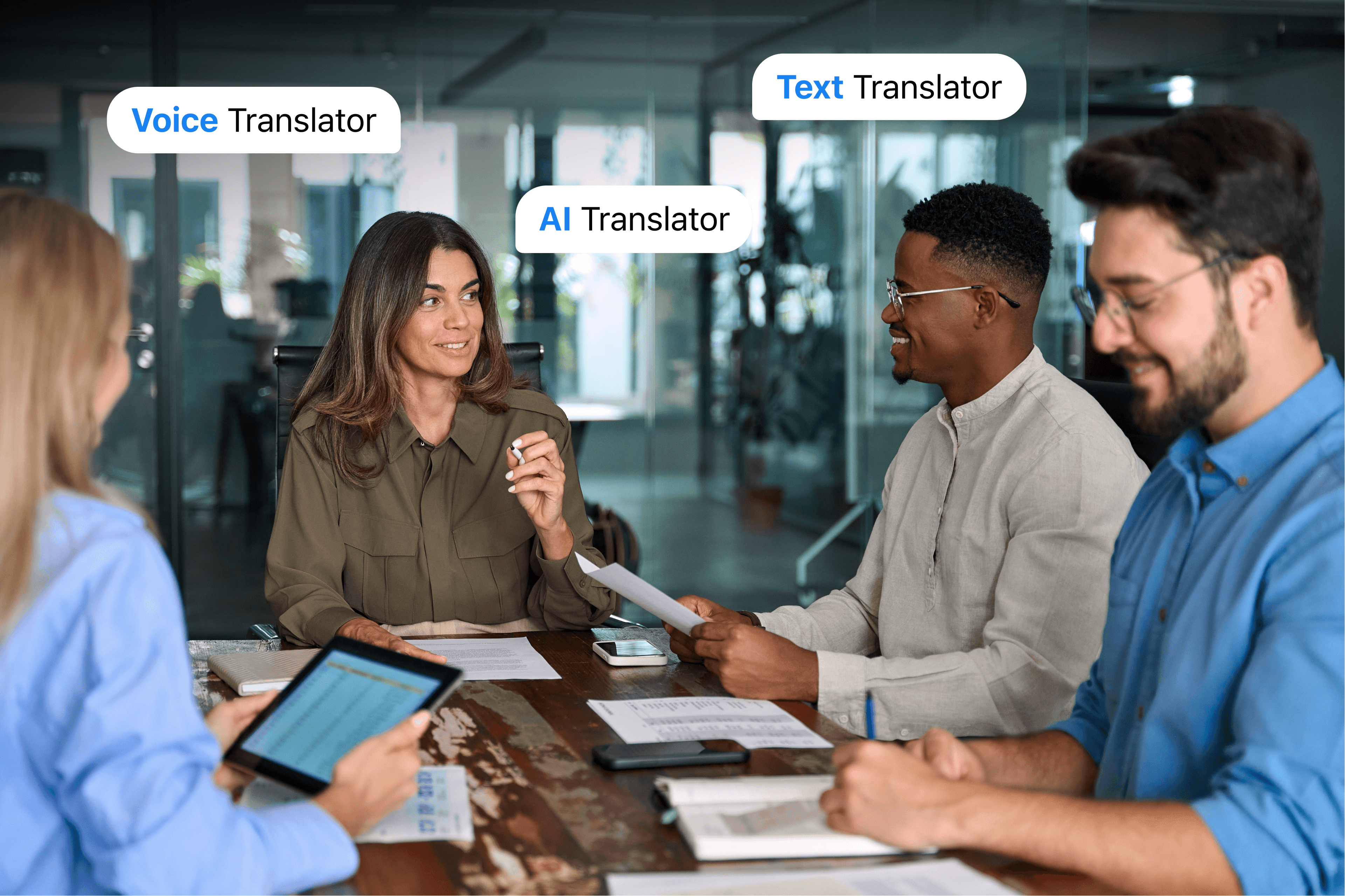
As businesses expand across borders, their workforce becomes increasingly diverse. With employees coming from different linguistic and cultural backgrounds, one of the biggest challenges companies face is ensuring that everyone receives the same standard of training. Training guides are vital tools for introducing employees to company processes, safety measures, customer service expectations, and workplace culture.
However, a training manual written in only one language leaves part of the workforce at a disadvantage. Misunderstandings, errors, and frustration can quickly arise. Using a translation app to translate training materials bridges that gap, creating a fair and effective learning environment where every employee, regardless of their native language, has the same opportunity to succeed.
Why translating training guides matters
Boosts understanding and productivity
When instructions are clear and accessible, employees perform tasks more confidently and efficiently. Imagine a new hire trying to learn safety protocols in a language they only partially understand. Even small misunderstandings could lead to costly mistakes. Translated guides eliminate guesswork and allow employees to focus fully on their performance.
Promotes inclusivity and morale
Language is deeply personal. By providing training materials in multiple languages, companies show respect for employees’ backgrounds. This small act of inclusivity can have a big impact on morale, making workers feel valued and respected. When employees feel included, they are more engaged, loyal, and motivated to succeed.
Improves compliance and safety
In industries like healthcare, aviation, construction, or food services, errors can have serious consequences. Training guides that are poorly understood can put both employees and customers at risk. Translating materials ensures that safety procedures, compliance regulations, and technical instructions are clear to everyone, no matter their first language.
Reduces costs in the long run
Some companies hesitate to invest in translation because of upfront costs. However, mistranslations, mistakes, and repeated training sessions often cost much more. A well-translated training guide saves time and minimizes the risk of errors that can affect productivity and profit.
How to translate training guides effectively
Use professional translators
Machine translation can be a helpful starting point, but when it comes to training, accuracy is everything. Professional translators bring expertise, cultural understanding, and industry-specific knowledge. This is especially important in fields that use technical vocabulary.
Simplify the language
Training materials should be easy to follow. Using clear, concise sentences reduces the risk of confusion. Avoid slang, idioms, or overly complex grammar. Remember that even with translation, clarity is the ultimate goal.
Add visual aids
Pictures, diagrams, and icons can often explain things better than words alone. For example, step-by-step images for operating machinery can make instructions universally understandable, regardless of language.
Maintain consistency
When translating training guides into multiple languages, ensure terminology is consistent across all versions. For example, if “safety gear” is used in English, the translation should use the same equivalent term throughout the entire guide. Consistency builds trust and avoids confusion.
Keep materials updated
Training programs evolve with time. Every update should be reflected in all translated versions to ensure no group is left behind. Neglecting updates in one language version can lead to uneven knowledge across teams.
Test with native speakers
Before rolling out translated training guides company-wide, it’s wise to test them with a few employees who speak that language. Their feedback can reveal if the translation feels natural, culturally appropriate, and easy to understand.
Common challenges and how to overcome them
Technical jargon: Some industries use terms that don’t have direct equivalents in other languages. Solution: provide glossaries or footnotes with explanations.
Cultural nuances: Certain examples, humor, or references may not make sense across cultures. Solution: adapt content for cultural relevance, not just literal translation.
Multiple languages at once: Large companies may need to translate guides into ten or more languages. Solution: work with translation agencies that specialize in multilingual projects and offer scalable solutions.
Best practices for global companies
Start with a clear source document in simple English (or your company’s main language).
Prioritize which languages are most critical based on your workforce.
Build a translation memory (a database of previously translated terms and phrases) for consistency.
Use a review process involving both professional translators and employees from the target culture.
Provide digital versions of guides that can be easily updated and distributed.
Conclusions
Translating training guides is more than a business expense, it is an investment in people. By breaking down language barriers, companies empower employees to learn, grow, and contribute fully to the organization. Whether it is ensuring safety on the factory floor or delivering excellent customer service, clear communication is the key to success. With support from an AI translator like Translate Now, every employee, no matter their language, has equal access to training, and the entire company thrives.