Voice, image, text: The future of multimodal translation
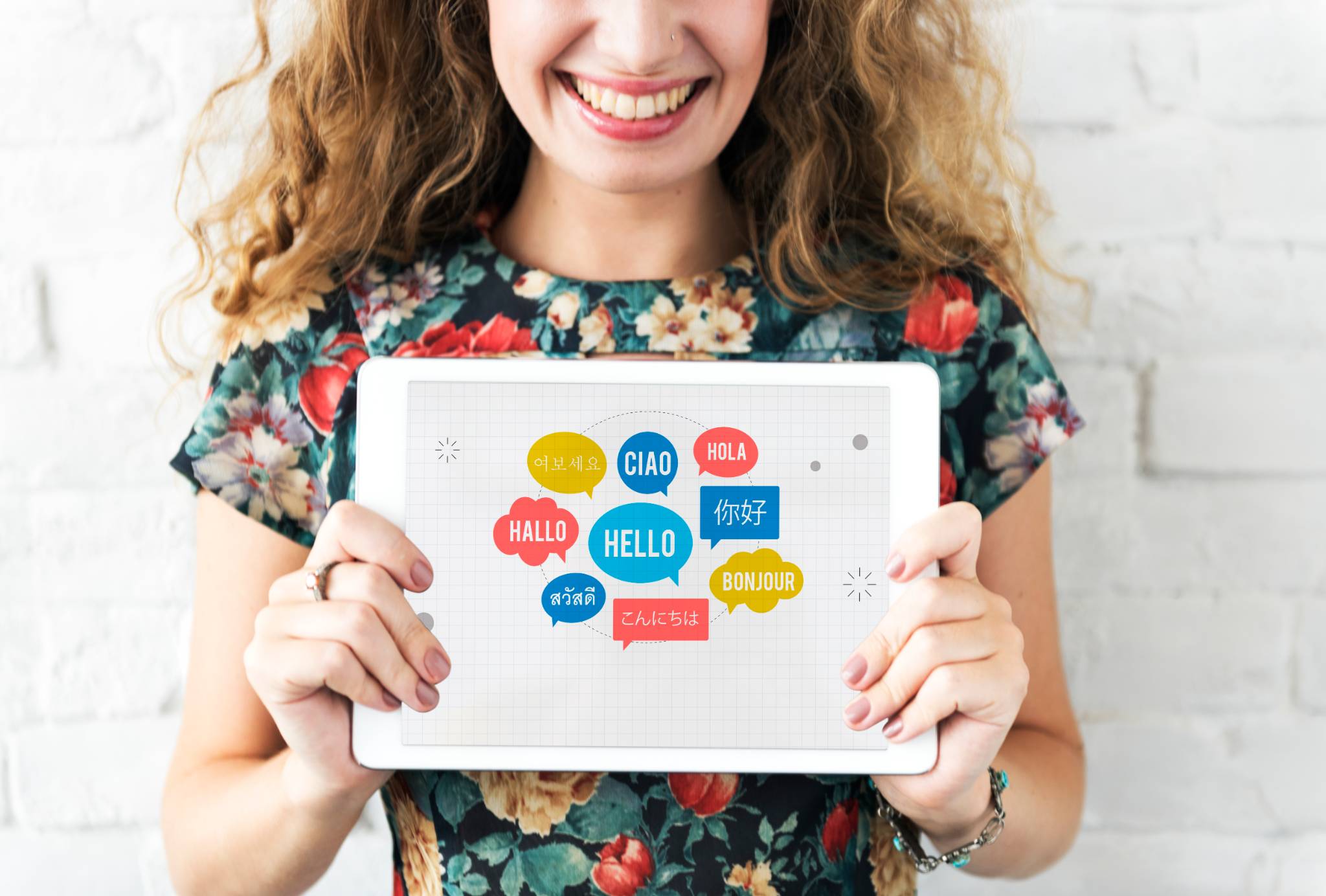
Language translation is no longer limited to typing words into a box and waiting for results. As communication becomes more dynamic, global, and visual, translation technology is evolving to match how people actually interact with the world. Enter multimodal translation, which means the ability to translate voice, images, and text seamlessly within a single experience.
This shift isn’t just a trend. It is the future of how humans communicate across languages. In this article, we’ll explore what multimodal translation is, why it matters, how it works today, and what it means for users of modern translation apps like Translate Now.
What is multimodal translation?
Multimodal translation refers to the ability to translate content across multiple input formats, including:
Text (typed or copied content)
Voice (spoken language, conversations, voice messages)
Images (signs, menus, documents, handwritten notes)
Instead of relying on one method, users can switch effortlessly between modes depending on the situation. They can speak when typing isn’t convenient, scan text when language is visual, or type when accuracy matters most.
This approach reflects real-world communication, where language isn’t confined to text alone.
Why multimodal translation is the future.
People communicate in more than one way.
In everyday life, we don’t just read or type. We talk, listen, point, scan, and interpret visuals. Translation apps that support only one mode fall short in real scenarios like:
Traveling abroad and reading street signs
Translating a voice message from a colleague
Understanding handwritten notes or printed documents
Having real-time conversations across languages
Multimodal translation removes friction by meeting users where they are, rather than forcing them into a single input method.
Mobile-first behavior demands flexibility.
Modern translation apps are used primarily on smartphones. On-the-go users need:
Voice translation while walking or driving
Image translation in restaurants, airports, or stores
Text translation for messages, emails, or study materials
Apps like Translate Now are designed around this reality, offering multiple translation methods in one place without requiring users to switch tools or platforms.
Breaking down the 3 pillars of multimodal translation.
Voice translation: Real-time, natural communication.
Voice translation allows users to speak naturally and receive instant translations, often with spoken output. Modern AI-powered voice translation can now:
Handle different accents and speaking speeds
Reduce background noise
Support two-way conversations in real time
This is especially useful for travel, remote work, and multilingual meetings. As discussed in how AI is transforming language translation across industries, speech recognition and AI models are improving rapidly, making voice translation more accurate than ever.
Image translation: Turning visual language into meaning.
Image translation uses your camera to instantly translate text found in images, such as:
Menus and signs
Printed documents
Posters and labels
Handwritten notes
Instead of typing unfamiliar words, users simply point their camera and understand content instantly. This capability is essential in environments where text isn’t editable or copyable.
Image translation also reduces errors caused by misspellings or unfamiliar scripts, especially for languages with non-Latin alphabets.
Text translation: Precision, control, and context.
Despite newer modes, text translation remains the backbone of translation apps. It is ideal for:
Messaging and emails
Academic work
Business documents
Learning new languages
Advanced text translation now includes context awareness, grammar assistance, and tone accuracy. These features help users sound natural instead of robotic.
For users deciding which app handles text best, this article on how to pick the perfect translation app for you explains what features matter most.
How AI powers multimodal translation.
At the core of multimodal translation is artificial intelligence. AI models process speech, text, and images differently but integrate results into a unified experience.
Key technologies include:
Speech-to-text and text-to-speech AI
Optical Character Recognition (OCR) for images
Neural Machine Translation (NMT)
Context-aware language models
Together, these systems ensure translations are fast, accurate, and increasingly human-like.
If you’re curious how these capabilities work together, download Translate Now app to explore AI-driven voice, image, and text translation in one seamless experience.
What this means for users.
Multimodal translation isn’t just about convenience. It is about confidence. Users can:
Communicate without fear of misunderstandings
Navigate foreign environments independently
Learn languages faster through real-world exposure
Work and travel without language barriers
Whether you’re a student, traveler, professional, or language learner, having multiple translation modes in one app makes communication effortless.
Final thoughts: One app, many ways to understand the world.
The future of translation isn’t one-size-fits-all. It is adaptive, intelligent, and multimodal. As voice, image, and text translation continue to evolve together, users will no longer think about how they translate, only that they can.
Translation apps that embrace this future, like Translate Now, are setting a new standard for global communication, one conversation, one image, and one word at a time.