Arabic for travelers: What you should know before you land
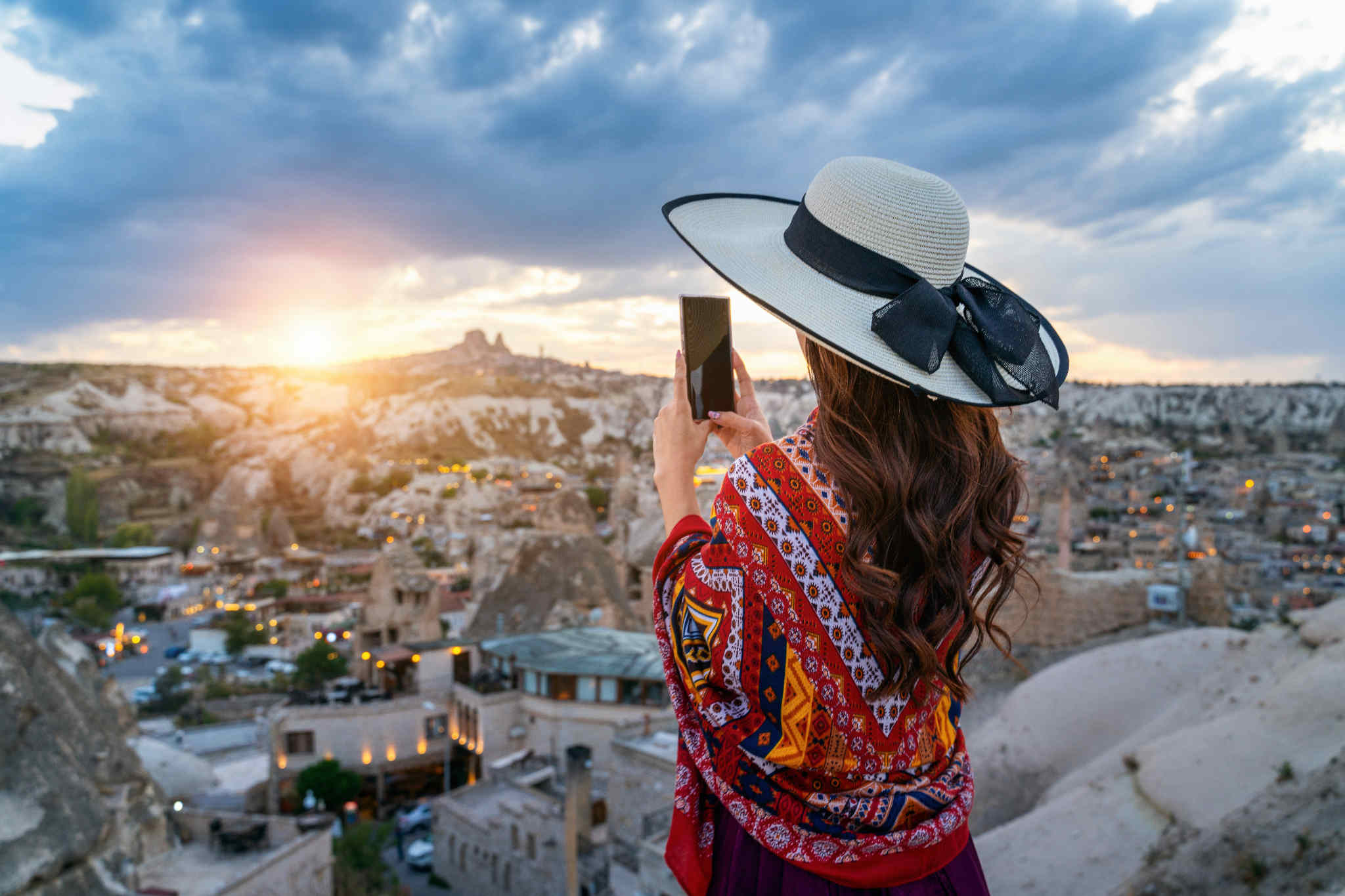
Traveling to an Arabic-speaking country feels very different from traveling somewhere that relies heavily on English signage and Western communication patterns.
The language, social etiquette, and communication style can change dramatically from one country to another. What works in Dubai may feel completely different in Morocco, Egypt, or Saudi Arabia.
For many travelers, the biggest mistake is assuming Arabic is one universal experience.
It is not.
Understanding a few key realities before you land can make your trip smoother, more respectful, and significantly less stressful, even if you do not speak Arabic fluently.
The first thing travelers get wrong about Arabic
Most people think Arabic is a single spoken language used the same way everywhere. In reality, Arabic exists in layers. There is:
Modern Standard Arabic (formal Arabic used in media and signage)
regional dialects
local slang and pronunciation differences
A phrase learned online may sound completely natural in one country and unusually formal in another.
This is why direct translation often creates confusion during travel, especially in real conversations where people speak casually and quickly.
English is common in some places and rare in others
One of the biggest misconceptions about the Middle East is that English works everywhere. The reality depends heavily on where you travel.
In cities like:
Dubai
Abu Dhabi
Doha
English is widely spoken in:
hotels
malls
airports
restaurants
But in:
local markets
taxis
smaller towns
traditional restaurants
Arabic becomes far more important. Even basic understanding can improve interactions significantly.
You do not need fluency, but you do need awareness
Travelers often overestimate how much Arabic they need to learn. You do not need to master grammar or memorize hundreds of phrases. What matters more is:
recognizing common words
understanding cultural communication
navigating signs and menus
handling simple interactions confidently
In many situations, visual understanding becomes more important than speaking perfectly, especially when dealing with menus, signs, and transportation systems.
This is where travelers increasingly rely on workflows similar to those used in translating foreign text from images and signs, particularly in environments where typing Arabic manually is difficult.
Arabic signs and menus can feel overwhelming at first
Arabic script is visually very different from Latin-based languages. For first-time visitors, the challenges usually include:
reading direction from right to left
connected lettering
unfamiliar characters
decorative fonts on signs and menus
This often becomes stressful in:
airports
transportation hubs
restaurants
shopping areas
The good news is that most travelers adapt quickly once they stop trying to “read Arabic” traditionally and start focusing on contextual understanding instead.
Camera and image translation apps are especially useful here because they allow travelers to interpret meaning instantly rather than decode individual words manually.
The difference between formal Arabic and spoken Arabic matters
A major surprise for travelers is realizing that formal Arabic and spoken Arabic can sound very different.
For example:
Formal Arabic:
“Kayfa haluk?”
(How are you?)
Common spoken versions vary across countries.
In Egypt, you may hear:
“Izzayak?”
In the Gulf:
“Shlonak?” or “Keef halak?”
This is important because many phrasebooks and translation systems rely heavily on formal Arabic, while real conversations happen in regional dialects. That disconnect is one reason travelers sometimes feel confused even after learning “basic Arabic phrases.”
Communication style is different too
Arabic-speaking cultures often value warmth, politeness, and relationship-building in conversation. Communication may feel:
more expressive
less direct
more personal
For example, greetings matter more than many Western travelers expect. Jumping directly into requests without acknowledgment can feel abrupt. Even small phrases like:
hello
thank you
please
peace be upon you
can completely change the tone of an interaction.
Technology helps, but context still matters
Translation apps are extremely useful while traveling in Arabic-speaking countries, especially for:
menus
signs
quick conversations
messaging
But context matters more in Arabic than many travelers realize. Literal translation often fails because:
sentence structure differs significantly from English
meaning changes based on context
regional dialects vary heavily
This is similar to the issues discussed in why translations sometimes sound robotic, where technically correct output still feels unnatural in real conversations. The goal should not be perfect translation. It should be clear understanding.
Internet access is not always reliable for translation
Many travelers assume they can rely entirely on mobile data abroad. That is risky. Translation becomes most important precisely when internet quality drops:
airports
underground transport
remote areas
border crossings
Preparing offline language support before your trip makes a significant difference.
Travelers who rely heavily on translation tools often underestimate how important offline functionality becomes during navigation and emergencies. This is why many now prioritize workflows covered in offline translation setups for travelers.
Cultural awareness will help you more than perfect Arabic
One of the most important things travelers should understand is this:
Respect matters more than pronunciation. People generally appreciate:
patience
politeness
genuine effort
Even if your Arabic is limited, small attempts to engage respectfully often lead to warmer interactions and better experiences overall. Understanding local communication norms matters far more than speaking perfectly.
What travelers should prepare before landing
Instead of trying to memorize entire phrasebooks, focus on practical preparation. Before your trip:
download offline translation support
save hotel addresses in Arabic
learn basic greetings
practice recognizing common travel words
prepare image translation tools for signs and menus
This creates a much smoother arrival experience, especially in unfamiliar environments.
Final thoughts
Traveling in Arabic-speaking countries is not as intimidating as many first-time visitors expect. The challenge is not becoming fluent in Arabic. It is learning how to navigate communication confidently despite uncertainty.
Once you understand:
how Arabic differs across regions
how communication styles work
how to rely on context instead of direct translation
the experience becomes far more approachable.
Modern apps like Translate Now help simplify that experience by allowing travelers to translate signs, menus, conversations, and messages in real time without interrupting the flow of travel. But even the best translation tools work better when combined with awareness, patience, and cultural understanding.
The travelers who adapt best are usually not the ones who speak the most Arabic. They are the ones who understand how communication actually works.