10 cultural gestures that mean different things worldwide
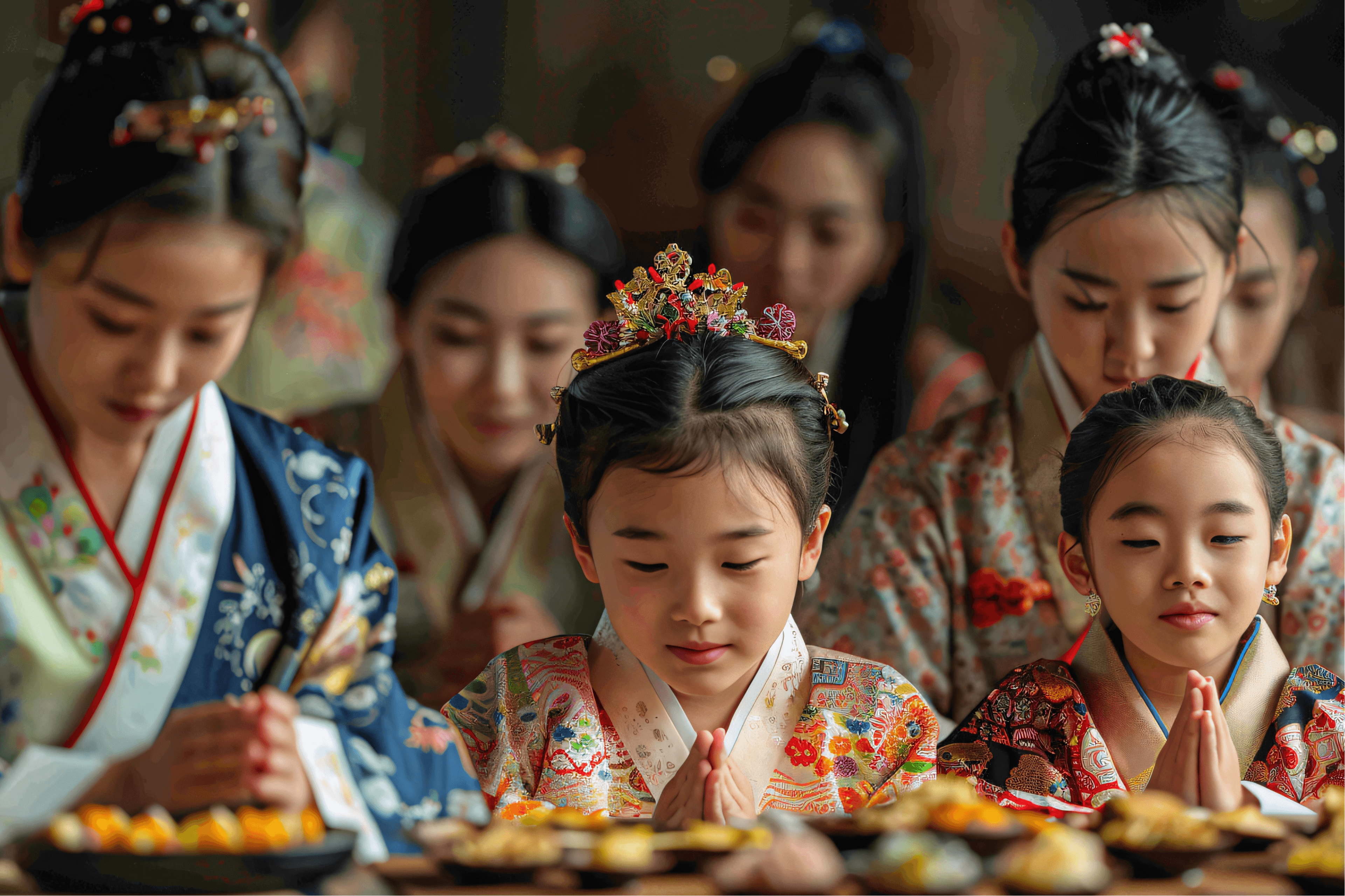
Body language speaks louder than words, but not always in the way you expect. A gesture that feels natural in one country can cause confusion or even offense in another. When traveling, knowing how gestures are interpreted around the world can help you avoid awkward moments and show respect for local customs. Let’s explore ten gestures that carry surprising meanings depending on where you are.
The thumbs-up
In many Western countries, a thumbs-up is a cheerful way to say “great job” or “everything’s fine.” But in Greece, Iran, and some parts of the Middle East, the same motion can carry a rude or insulting meaning. What feels encouraging in one place might come across as the opposite in another.
The “OK” sign
Forming a circle with your thumb and index finger usually means “perfect” in the US. In Brazil, Turkey, and parts of the Mediterranean, though, it’s seen as an obscene gesture. Meanwhile, in Japan, the same sign can mean “money.” It’s a good reminder that even simple hand shapes can tell very different stories.
Nodding and shaking your head
Most people associate nodding with “yes” and shaking your head with “no.” But in Bulgaria and parts of Greece, it’s flipped. Nodding can actually mean no, while shaking your head can mean yes. This is one of the most common sources of confusion for travelers, especially when answering yes-or-no questions.
The peace sign
The two-finger V-sign with the palm facing outward is a friendly symbol of peace and victory worldwide. But flip your palm inward in the UK, Ireland, or Australia, and it instantly changes to a strong insult. A small change in hand direction completely transforms the message.
Beckoning with a finger
In the US, curling your index finger is a casual way to call someone over. In the Philippines, however, it’s considered highly disrespectful when directed at a person, since it’s used mainly for animals. In Japan, the same gesture is used, but the hand faces palm-down instead, creating a softer invitation.
Touching someone’s head
In Thailand and many parts of Asia, the head is seen as the most sacred part of the body. Touching it, even affectionately, can be offensive. Contrast that with many Western cultures, where a gentle pat on the head is often seen as kind or playful.
Handshakes
A handshake is one of the most universal greetings, but the style differs widely. In the US and much of Europe, a firm grip shows confidence. In Japan, a lighter handshake or even a bow is the preferred choice. In some cultures, handshakes are reserved only for formal situations, while in others they’re used daily.
Showing the sole of your shoe
Crossing your legs or putting your feet up may feel casual and comfortable, but in Middle Eastern and Asian countries, exposing the soles of your shoes is a sign of disrespect. Since feet are considered the lowest and dirtiest part of the body, pointing them toward someone can cause offense.
The horns gesture
Extending your index and little finger, often seen at rock concerts in the US, means “rock on” or “good vibes.” But in Italy, Spain, and other Mediterranean cultures, this gesture has a completely different meaning. It suggests that someone’s partner has been unfaithful. Context matters a lot here.
The hand wave
A wave of the hand is a friendly greeting in most countries. Yet in Greece, an open palm wave (called the “moutza”) is one of the strongest insults. In Japan, waving the hand side to side with the palm forward usually means “no” rather than “hello.”
Before you go…
Gestures may be small, but their cultural impact is huge. A simple wave, nod, or thumbs-up can mean friendship in one place and offense in another. When traveling, paying attention to local body language helps you connect more respectfully and avoid misunderstandings. With the Translate Now app by your side, you’ll not only find the right words but also understand the power of gestures in global communication.